Did you know that nearly 23% of private wells contain at least one contaminant at levels exceeding health benchmarks? For the 43 million Americans relying on their own groundwater, finding the right well water treatment systems isn’t just about convenience; it’s about safety. You likely treat your home as a sanctuary, yet it’s hard to feel at ease when your water smells like sulfur or leaves stubborn orange stains on your fixtures. You want to know that the water your children drink is pure, and you’re tired of worrying that hard water scale is damaging your expensive appliances.
We understand that protecting your family’s health is your top priority. This guide simplifies the technical side of water quality to give you total peace of mind. You’ll learn how to identify specific contaminants using the latest 2026 safety standards and how to choose the right technology for your home’s unique needs. We’ll walk through everything from UV disinfection to advanced filtration, providing a clear roadmap to the odorless, crystal-clear water your household deserves.
Owning a private well means you’re the lead safety officer for your household. Unlike municipal supplies, private wells aren’t regulated by federal standards, leaving the responsibility for purity entirely on your shoulders. Adopting a “Guardian” mindset means you prioritize proactive testing over reactive repairs. You don’t wait for a foul odor to investigate; you verify safety through data. High-quality well water treatment systems offer a layered defense that protects both your family’s health and your home’s infrastructure.
Regional geography dictates your water’s profile. In Arizona, Nevada, and Texas, ancient mineral deposits often result in extreme hardness that chokes plumbing. Conversely, families in Florida and rural California frequently deal with iron and sulfur, which create unsightly stains and unpleasant odors. If you live near farmland, nitrates from agricultural runoff can seep into your aquifer, posing a significant health risk. Mastering the science of water purification processes is the first step in neutralizing these specific environmental challenges.
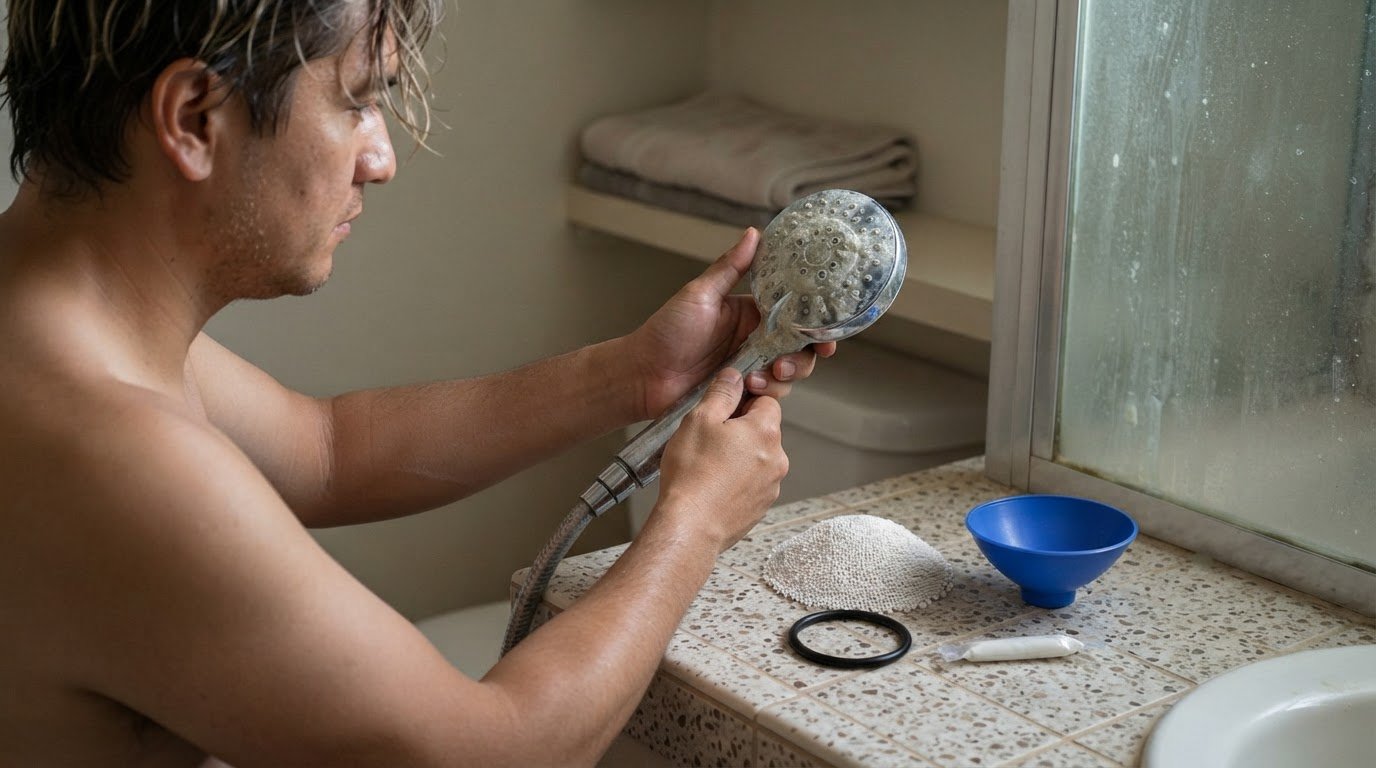
Ignoring water quality leads to a slow, expensive degradation of your appliances. Scale buildup in water heaters and dishwashers reduces efficiency and triggers premature mechanical failure. Galvanic corrosion is a specific type of damage that happens when imbalanced well water triggers an electrochemical reaction between different metal components in your plumbing. Choosing a robust system is a practical investment in your home’s future. It’s the difference between a simple maintenance schedule and a catastrophic, multi-thousand-dollar repiping project.
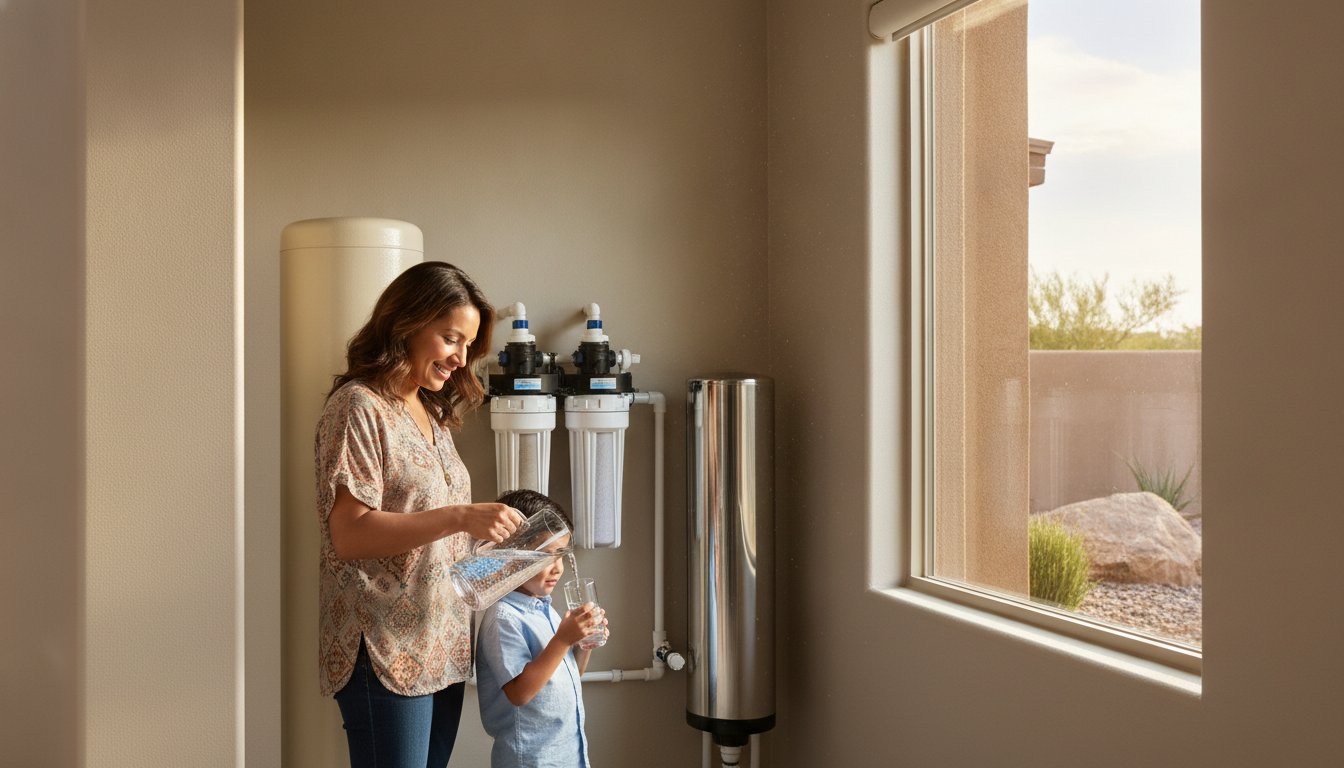
Understanding how different technologies work helps you build a layered defense for your home. Effective well water treatment systems generally fall into three categories: sediment removal, chemical filtration, and disinfection. A whole-house system is your best choice because it protects every tap, shower, and appliance. While under-sink “Point-of-Use” systems provide a final polish for drinking water, they leave your plumbing and water heater vulnerable to damage. Since private wells aren’t covered by federal safety mandates, following EPA private drinking water well guidelines helps you manage your home’s unique quality.
Traditional softeners use salt to swap minerals for sodium, but salt-free conditioners offer a more natural alternative. CastleGuard salt-free conditioner kits use specialized media to neutralize scale-forming minerals without adding sodium to your diet. This technology protects your dishwasher and water heater from damage while maintaining a fresh taste. To learn more about what to expect, see our guide on how a salt free water conditioner works and how it differs from a traditional softener. If your water has a “rotten egg” smell or leaves orange stains, you likely need a dedicated iron or sulfur filter to complement your well water treatment systems for a total solution. To understand which softening approach works best for groundwater with iron and manganese, our guide to the best water softener for well water walks you through every option available in 2026.
Ultraviolet (UV) systems act as your final safety net. These systems neutralize 99.9% of harmful bacteria and viruses by disrupting their DNA, preventing them from reproducing. This stage is critical for well owners who don’t have the benefit of municipal chlorine. A UV disinfection stage provides deep peace of mind, ensuring your family’s water is biologically safe without using harsh chemicals. If you’re ready to secure your home’s supply, exploring our well water systems is a great next step.
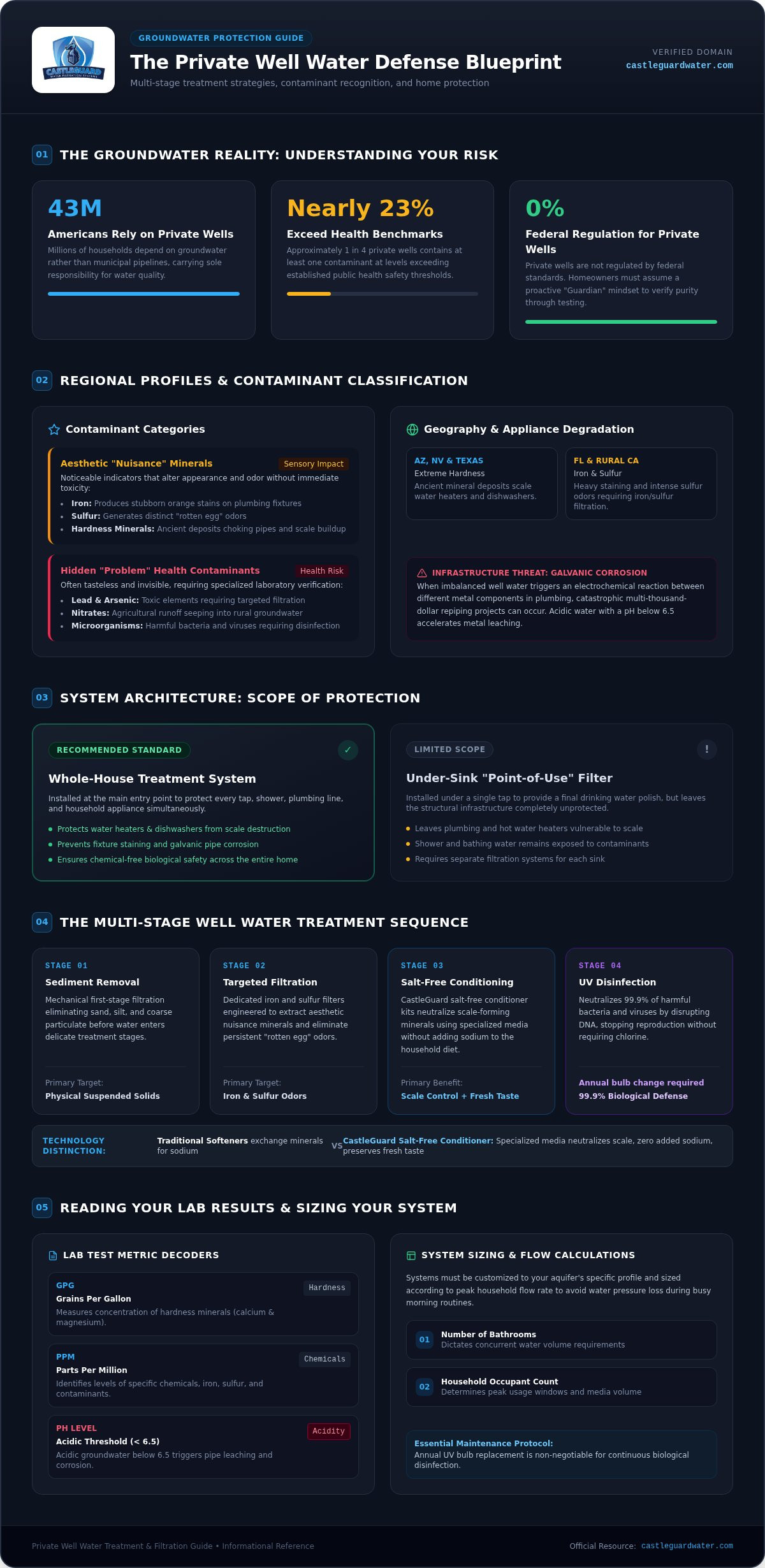
Selecting the right well water treatment systems requires a methodical approach. You can’t rely on a generic solution because every aquifer is different. Your first step is always a comprehensive lab test to establish a baseline. This data helps you distinguish between “nuisance minerals” like iron that cause staining and “problem contaminants” like lead or arsenic that threaten your health. Once you identify your water’s profile, you must size the system based on your peak flow rate. This is typically determined by the number of bathrooms and occupants in your home to ensure you never experience a drop in pressure during busy morning routines.
Understanding your report is vital for your family’s safety. Look for Grains Per Gallon (GPG) to measure hardness and Parts Per Million (PPM) for specific chemicals. Pay close attention to pH levels; acidic water with a pH below 6.5 can leach metals from your pipes. If your results show lead, nitrates, or coliform bacteria, these are “red alerts” that require immediate action. Following CDC guidelines for treating well water ensures you’re using validated methods to secure your supply. If the numbers seem complex, don’t hesitate to consult a professional for a clear interpretation.
The best well water treatment systems are those that are easy to maintain over the long term. A system only protects you if it stays in peak condition, so we’ve removed the guesswork through our automatic media delivery service. Whether you’re using our Carbon Kits or Salt-Free Conditioner Kits, these replacements ensure your layered defense never lapses. Proper whole house water system maintenance is the key to longevity for both your hardware and your home’s plumbing. By choosing a partner that prioritizes proactive support, you gain lasting peace of mind and purity. If you’re ready to find your custom solution, explore our well water systems today.
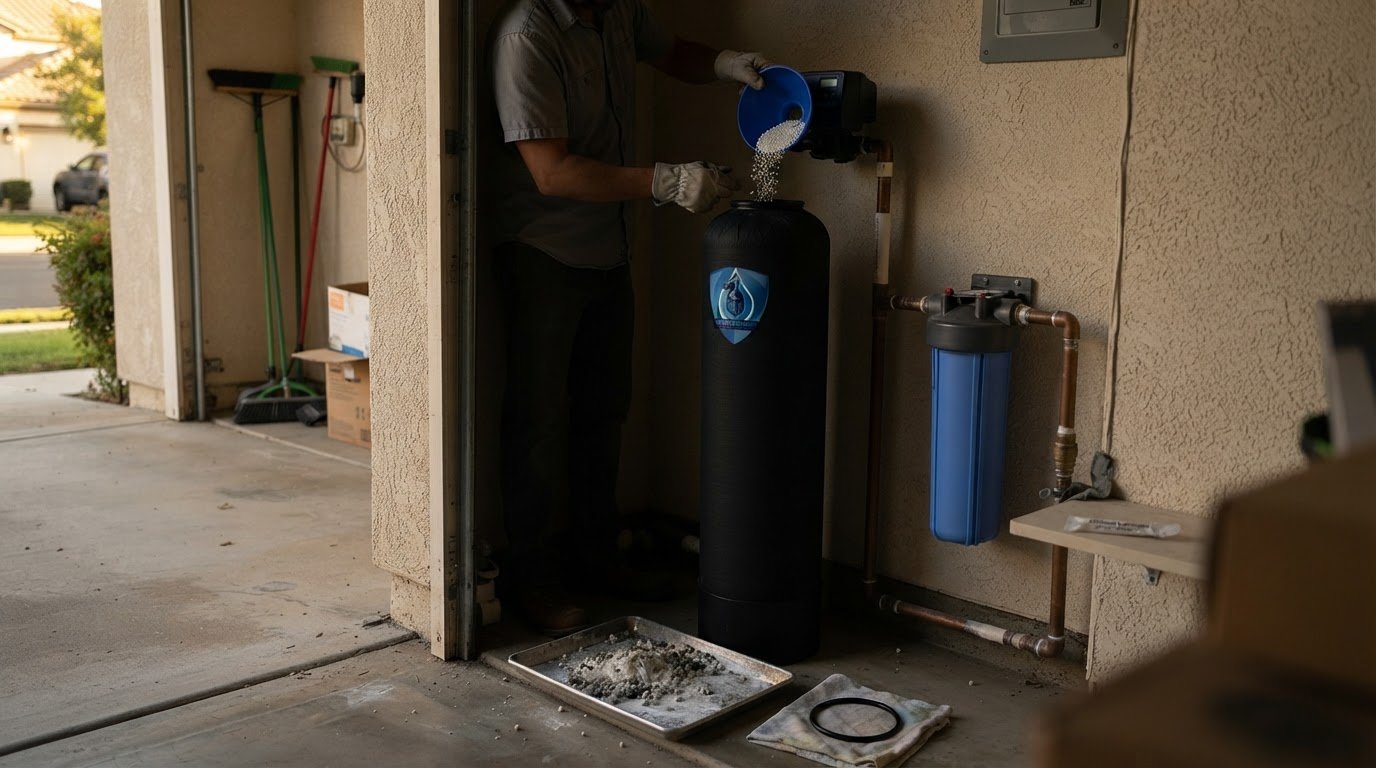
Maintaining your well water treatment systems shouldn’t feel like a second job. To keep your home’s water at peak purity, you need to understand the lifecycle of your media. Carbon media typically requires replacement every 3 to 5 years to effectively remove chemicals, while our high-quality conditioner media often lasts 5 to 10 years depending on your water’s mineral load. UV bulbs are unique; they must be replaced every 12 months. Even if the lamp still glows, the specific germicidal wavelength required to neutralize bacteria weakens over time. We’ve designed our hardware for simplicity, making the media replacement process a straightforward DIY task that requires no special tools.
Recognizing when your system needs a refresh is part of being a vigilant homeowner. Watch for a sudden drop in water pressure, which often indicates a saturated filter, or the return of old sulfur odors. While our systems are highly automated, “set it and forget it” is a myth that can lead to lapses in protection. In 2026, the benchmark for a high-performing system is consistent purity paired with minimal environmental waste. Regular monitoring ensures you meet this standard every time you turn on the tap.
You’re never alone in your journey toward safe water. Our US-based customer support team is available Monday through Friday to help you troubleshoot any issues or walk you through a media swap. To make maintenance even easier, our automatic delivery service ensures you receive the right kits exactly when you need them. This proactive approach removes the guesswork and secures your family’s health for years to come. If you’re ready to invest in a lifetime of purity, Explore CastleGuard Well Water Systems to find your perfect match.
You now have the tools to transform your home’s unregulated groundwater into a reliable source of purity. By moving beyond reactive repairs and adopting a proactive “Guardian” mindset, you can effectively neutralize hidden contaminants and nuisance minerals. Remember that a layered defense, combining filtration, salt-free conditioning, and UV disinfection, is the most robust way to protect your plumbing and your family’s health.
Choosing high-quality well water treatment systems ensures that every tap in your house delivers odorless, crystal-clear water. Our salt-free conditioning options protect your appliances without adding sodium, while our automatic media delivery ensures your protection never lapses. If you have questions, our dedicated US-based support team is ready to guide you through selection and maintenance. Protect your family with a CastleGuard Well Water System. You deserve the peace of mind that comes with knowing your water is safe, clean, and refreshing every single day.
Well water is not automatically safe because it’s not regulated by federal authorities. While your water might look clear, it can contain invisible threats like nitrates or arsenic, which are common in rural areas of Texas and Arizona. Without a treatment system, you’re responsible for monitoring every drop. Installing a dedicated system acts as a guardian for your family, ensuring your home’s water meets safety standards every day.
A water filter removes physical particles and chemicals, while a softener or conditioner manages minerals that cause hardness. Filters target issues like sediment or the sulfur smells often found in Florida wells. Conditioners, like our salt-free options, prevent scale buildup in your appliances. For the best results, many well water treatment systems combine both technologies to address both the safety and the feel of your home’s water supply. If you’re comparing your options, our 2026 breakdown of the best water softener for well water can help you choose the right fit for your household.
That unpleasant rotten egg odor usually indicates hydrogen sulfide gas, a frequent problem for homeowners in coastal Florida and rural California. You can neutralize this smell using specialized filtration solutions designed to remove sulfur smell from well water by oxidizing and eliminating the gas. It’s a common nuisance, but it’s easily managed with the right hardware. Removing this odor restores your peace of mind and makes your daily showers and drinking water much more enjoyable for the whole family.
You should test your well water at least once every year for bacteria and nitrates. In states like Nevada and Arizona, where groundwater levels can shift, more frequent testing is a smart, protective measure. You should also retest immediately if you notice a change in taste, color, or odor. Regular testing is the foundation of effective well water treatment systems, helping you catch potential issues before they impact your family’s health.
Yes, we recommend a UV system as a vital final defense even if your current test is clear. Groundwater conditions can change overnight due to heavy rain in Florida or shifting soil in Texas. A negative test is only a snapshot in time. An Ultraviolet System provides constant, chemical-free protection against future bacterial intrusions. It acts as a vigilant guardian, ensuring your water remains biologically safe regardless of seasonal environmental changes.