
A whole-house water filter can be worth it in Florida if it addresses a water concern throughout your home. Whether a whole house water filter is worth it in Florida depends on your water source, what you want treated, and the system’s ongoing upkeep, not simply on having a filter. A larger or more complex system isn’t automatically a better fit.
If you’re concerned about chlorine taste or odor, sediment, or hard-water minerals, it helps to understand what filtration can and can’t address. These systems treat water as it enters the home, but the right filter depends on the water flowing through your pipes. Maintenance matters, too: replacement intervals typically range from 3 to 12 months, depending on filter type and water quality.
This guide explains how whole-house filtration works, what affects system costs in Florida, and how to match a system to your water concerns and household use. It also covers routine filter changes and system checks, so you can weigh the benefits against the maintenance involved.
Installed costs vary with the water source, treatment stages, system capacity, and plumbing work. A basic whole-house carbon filter is simpler than a combination system with a softener or reverse osmosis. Well-water treatment and whole-house reverse osmosis require different equipment and can be more complex. Water testing helps identify what a system needs to address before you compare options.
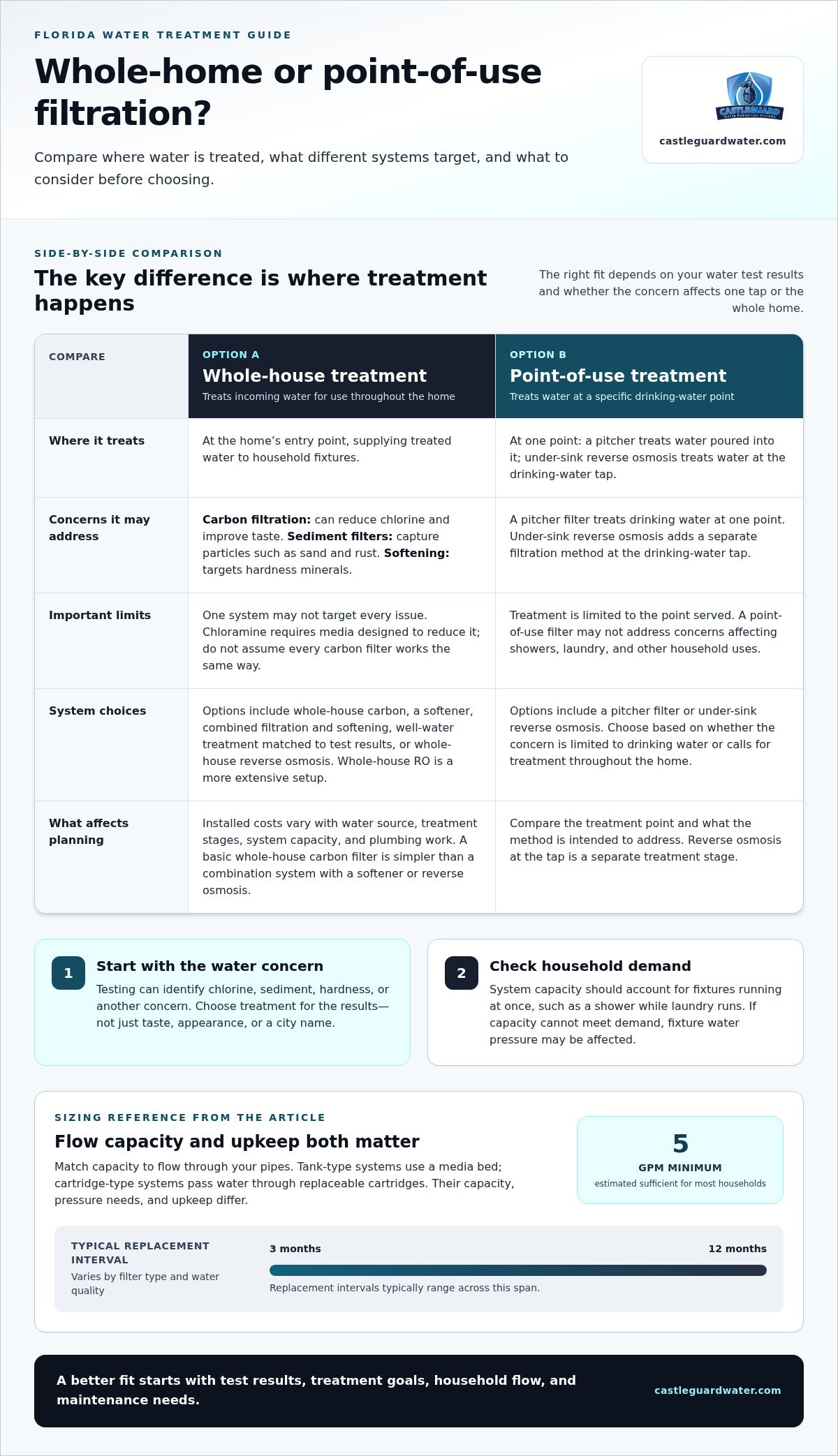
A whole-house filter treats incoming water for use throughout the home, while a pitcher filter treats only the water poured into it. A water softener targets hardness minerals, and reverse osmosis is a separate filtration method often used at a drinking-water tap. The right option depends on where you want treatment and what you need to address.
Activated carbon is commonly used when chlorine taste or chemical odors are the main concern. Municipal water in Florida may be treated with chlorine, and carbon filtration can reduce chlorine and improve taste. A pitcher filter treats drinking water at one point; a whole-house carbon system treats water at household fixtures. Choose based on whether the concern is limited to drinking water or affects showers, laundry, and other uses.
Compare system options by what they treat and where. A whole-house carbon filter focuses on concerns such as chlorine taste and odor. A water softener addresses hardness, while a combination of whole-house filtration and softening adds treatment at the home’s entry point. Under-sink reverse osmosis adds a separate treatment stage at the drinking-water tap. Well-water systems should match test results, and whole-house reverse osmosis is a more extensive setup.
For homeowners in Tallahassee or Quincy, a water test is more useful than choosing equipment based on a city name alone. Test results can show whether chlorine, sediment, hardness, or another concern should guide your choice. Compare treatment stages and maintenance needs, then weigh whole-home treatment against a point-of-use filter serving one sink. The same approach applies across Southern California, Nevada, Arizona, Texas, and Florida: choose for your water, not just your location.
A whole-house filter may make sense for Florida city-water homes with concerns at several taps, or for well-water homes with treatment needs throughout the house. Ask yourself: Is a whole house water filter worth it in Florida if the concern affects everyday water use? The answer depends on your water results and whether the system can meet your household’s demand.
Water quality refers to the substances in your supply that a treatment system needs to address. Testing helps identify concerns before you choose filtration, rather than relying on taste or appearance alone. Iron and sediment, for example, differ from bacteria or heavy metals, and each requires a treatment approach suited to that issue. A system designed for one concern may not treat another.
System size should suit household demand, including how many fixtures may run at once. The research estimates a minimum flow rate of 5 GPM as sufficient for most households. Tank-type systems use a media bed, while cartridge-type systems pass water through replaceable cartridges. Their capacity, pressure needs, and upkeep differ, so daily use and plumbing help guide the choice.
Consider peak household use, such as someone showering while laundry runs. If a system can’t meet demand, water pressure at fixtures may be affected. Match system capacity to the flow through your pipes, not just the number of people in the home.
Water testing measures concerns in your supply and helps match filtration to the results. It can guide Florida homeowners choosing treatment for city or well water by clarifying the needed system type, treatment stages, and maintenance. Installation planning should also account for the plumbing layout and household flow, so the equipment fits the home.
Before choosing, ask: Is a whole house water filter worth it in Florida when your test results show a concern across the home? Use those results and household demand to narrow options, then compare city- and well-water filtration options.
Florida water concerns vary by source and location, so treatment should match the substances found in your supply. A water bill can identify municipal service; a private well usually has a pump and pressure tank on the property.
Some municipal water supplies use chlorine or chloramines as disinfectants. Carbon filtration can reduce chlorine taste and odor, but if chloramine is the concern, choose media designed to reduce it rather than assuming every carbon filter works the same way. Testing can help identify the issue before you select a system, especially if the water tastes strongly of treatment chemicals or has an unusual odor.
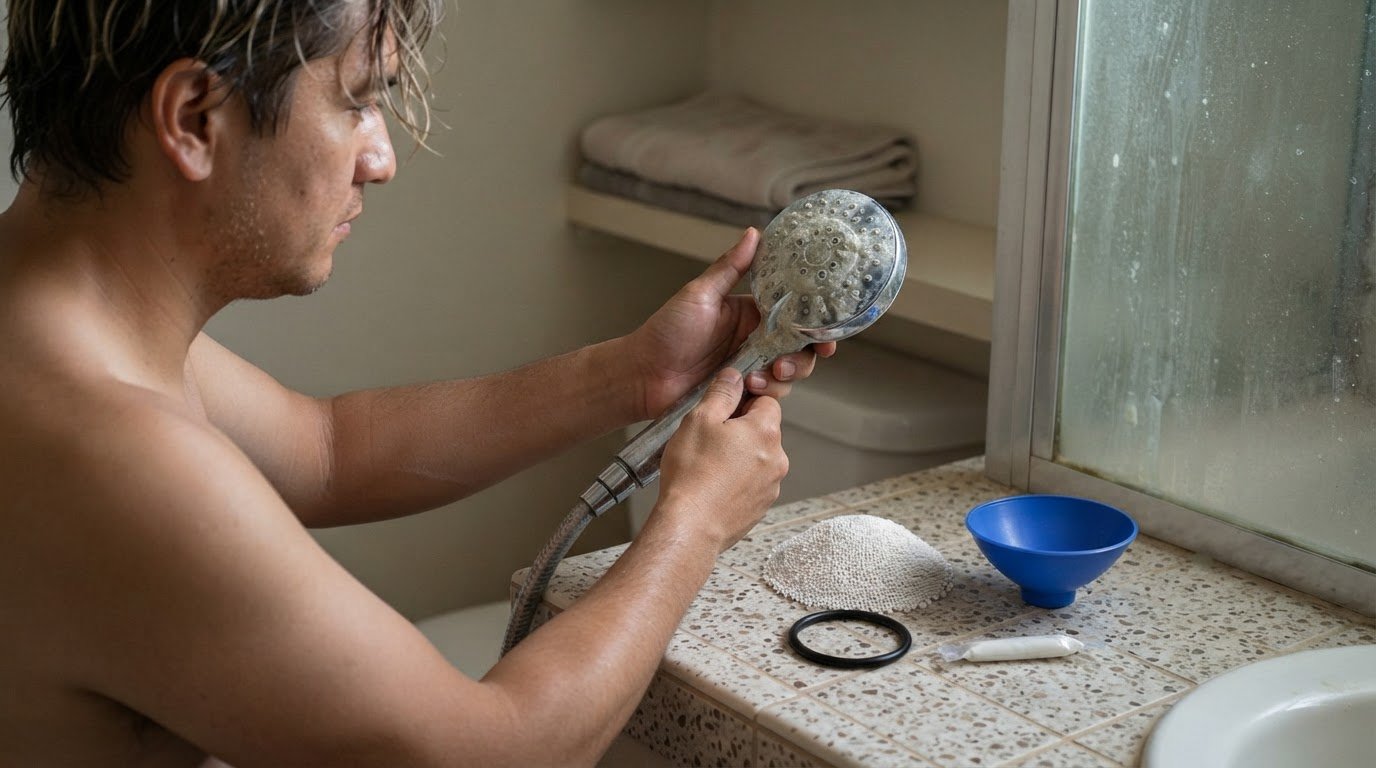
Sediment filters capture particles such as sand and rust, while a water softener targets hardness minerals that form scale. South Florida water from the Biscayne Aquifer has reported hardness of 13-22 grains per gallon. Scale can build up in appliances and showerheads, so a softener may be relevant when hard water is the issue. Sediment and hardness require different treatment; one filter may not address both.
Private wells may have iron, sulfur, or sediment that stains fixtures or affects appliances. Testing helps distinguish these concerns from chlorine or hard-water scale, reducing the risk of choosing treatment media that does not match the problem.
Whole-house systems target different concerns: carbon media can reduce chlorine, sediment filters trap particles, and water softeners address hardness minerals. Ultraviolet systems use light to disinfect water, but they don’t remove sediment or dissolved metals. Some Florida areas may have trace amounts of arsenic, while lead and other heavy metals require treatment suited to the specific contaminant.
Choosing the wrong media can leave the target contaminant untreated. Filters also need regular care: replacement intervals typically range from 3 to 12 months, depending on filter type and water quality. A clogged filter can restrict water flow and reduce pressure; neglected maintenance can also allow microbial growth within poorly maintained equipment. Follow the system manufacturer’s maintenance recommendations.
A whole-house system connects to the plumbing where water enters the home. Water passes through its treatment stages before reaching faucets, showers, and appliances. This point-of-entry design differs from an under-sink filter, which treats water at one tap. The media determines what a system can reduce, so carbon and sediment filters do different jobs. For effective whole-home treatment, choose stages suited to your water.
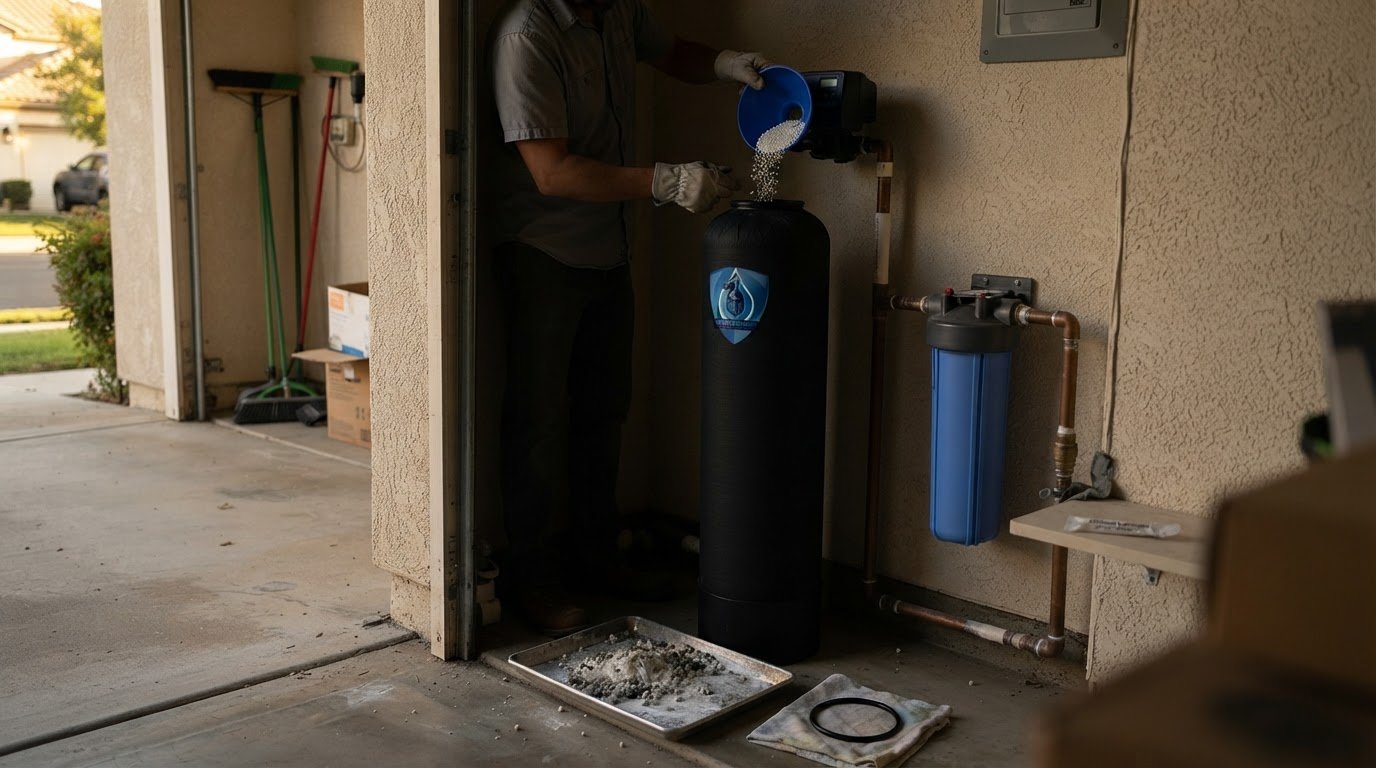
In a carbon system, water flows through activated carbon media, which can reduce chlorine and improve taste and chemical odors. The carbon media captures certain substances as water passes through. A sediment stage can trap particles such as sand or rust before they move farther into household plumbing. Pretreatment matters because suspended particles can affect later stages; whole-house reverse osmosis may need it when sediment levels are high.
Other methods work differently. Ultraviolet systems disinfect water with UV light, but don’t remove sediment or improve taste by filtering particles. Reverse osmosis uses a membrane to remove substances such as salts, heavy metals, and volatile organic compounds. A whole-house RO setup may need pretreatment to protect its membrane. An under-sink RO system treats water at one drinking-water tap rather than at every household outlet.
Every stage needs maintenance to keep water moving as intended. Whole-house filter replacement intervals typically range from 3 to 12 months, depending on filter type and water quality. A clogged cartridge can restrict flow, while exhausted media may no longer address its target concern. Follow the manufacturer’s maintenance recommendations for the specific system, including filter changes and occasional checks. To match treatment stages to your water concerns, explore whole-house filtration options before deciding what to install.
CastleGuard’s City System is an option for Florida homes on municipal water seeking whole-home filtration. Choose a system based on your specific concern, such as chlorine taste or odor, rather than assuming one setup addresses everything. For private wells, CastleGuard also offers Well Water Systems. Ultraviolet Systems address microbial treatment, while Drinking Systems treat drinking water.
Start by separating what you want treated throughout the home from what you need at a drinking-water tap. This distinction helps narrow your options without adding treatment that does not match your concerns. If you have city water, consider CastleGuard’s City System as part of your decision.
Contact CastleGuard or visit castleguardwater.com to discuss your home’s water needs.
To decide whether a whole-house water filter is worth it in Florida, start with a practical question: what do you want treated throughout your home, and what matters most at the drinking-water tap? Your water source and test results can turn that question into a focused choice instead of a guess. Keep those details in mind as you compare options for your household.
CastleGuard’s City System, Well Water Systems, and Ultraviolet Systems address different water sources and treatment needs. Let your concerns guide which option you explore, rather than assuming one approach suits every home. Compare the systems with your water results to identify a sensible next step for your family and home.
Contact CastleGuard about water filtration and take the next step with confidence.
Whole-house filters need routine media or cartridge changes and periodic system checks. Watch for leaks around fittings, changes in water flow, or the return of the taste or odor the filter was chosen to address. Keep a record of maintenance dates and replacement parts. Follow the manufacturer’s instructions, since care varies across carbon, sediment, ultraviolet, and other systems.
Hard-water minerals can form scale inside plumbing and treatment equipment, potentially reducing filter efficiency or restricting flow. A filter designed for sediment or chlorine won’t necessarily treat hardness. If Florida water leaves mineral deposits on fixtures or appliances, hardness treatment may be needed alongside filtration. The right combination depends on whether you want to reduce particles, address scale, or both.
DIY installation may suit a homeowner comfortable with plumbing, but the system must fit the home’s pipe size, flow needs, and installation instructions. A point-of-entry filter connects to the main water line, so mistakes can cause leaks or affect household water flow. Review the manufacturer’s instructions and your plumbing setup before deciding whether installation is within your skills.
Whole-house filter replacement intervals typically range from 3 to 12 months, depending on filter type and water quality. Florida homes with sediment-heavy well water may load a filter differently from homes addressing municipal chlorine. Check the system’s instructions and keep track of changes rather than relying only on taste or appearance. Replace media or cartridges on the schedule specified for that system.
Common water concerns include hardness minerals, iron, sulfur, sediment, and chlorine or chloramines in municipal supplies. Private wells may contain iron, sulfur, and sediment; some Florida areas may also have trace arsenic. PFAS may be present in some water, and appropriate treatment depends on the specific system. Testing helps distinguish these issues because no single filter type addresses every contaminant.
Municipal water quality reports describe utility testing and treatment, including contaminants detected in the supply. They can help you understand city-water concerns, but don’t establish the exact quality at every home tap. Private well owners need information about their own supply because municipal reports don’t describe an individual well. Use relevant results to guide testing and treatment choices.