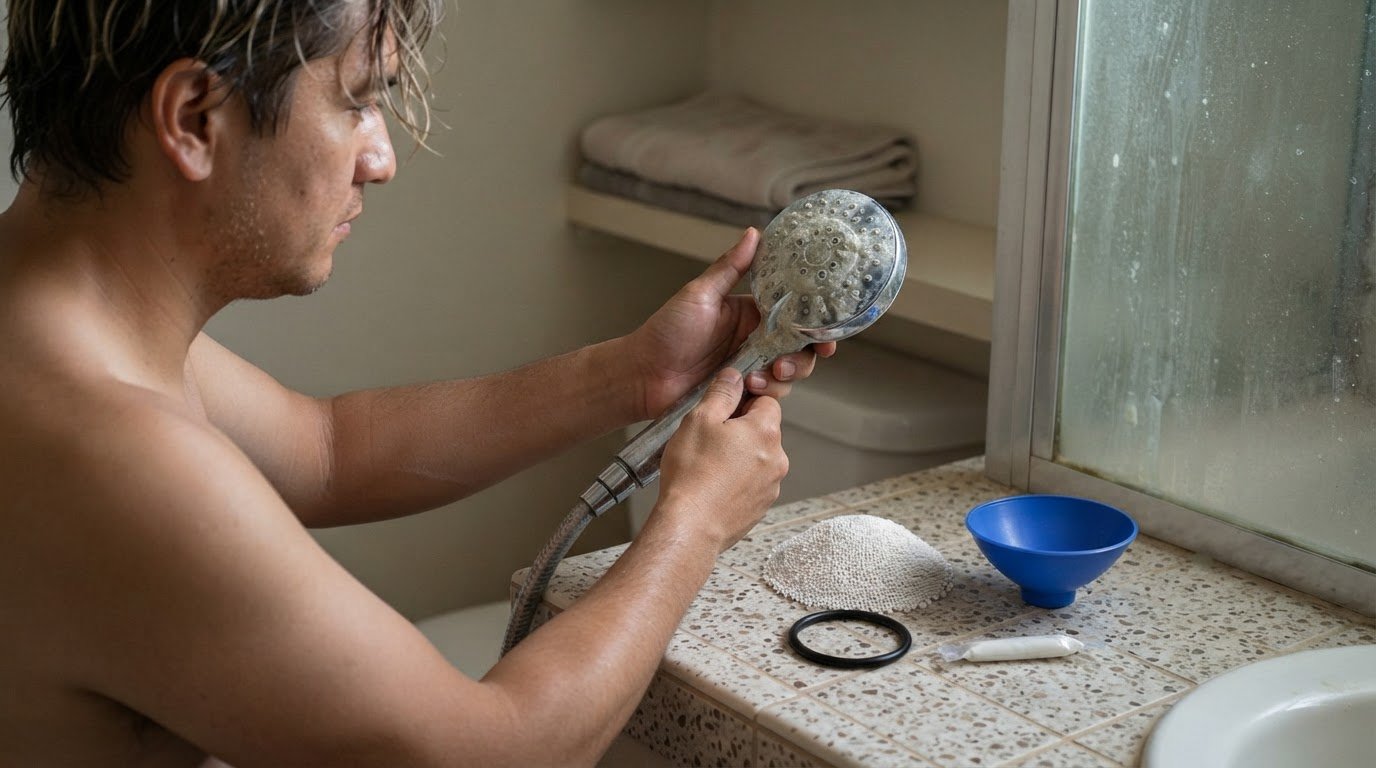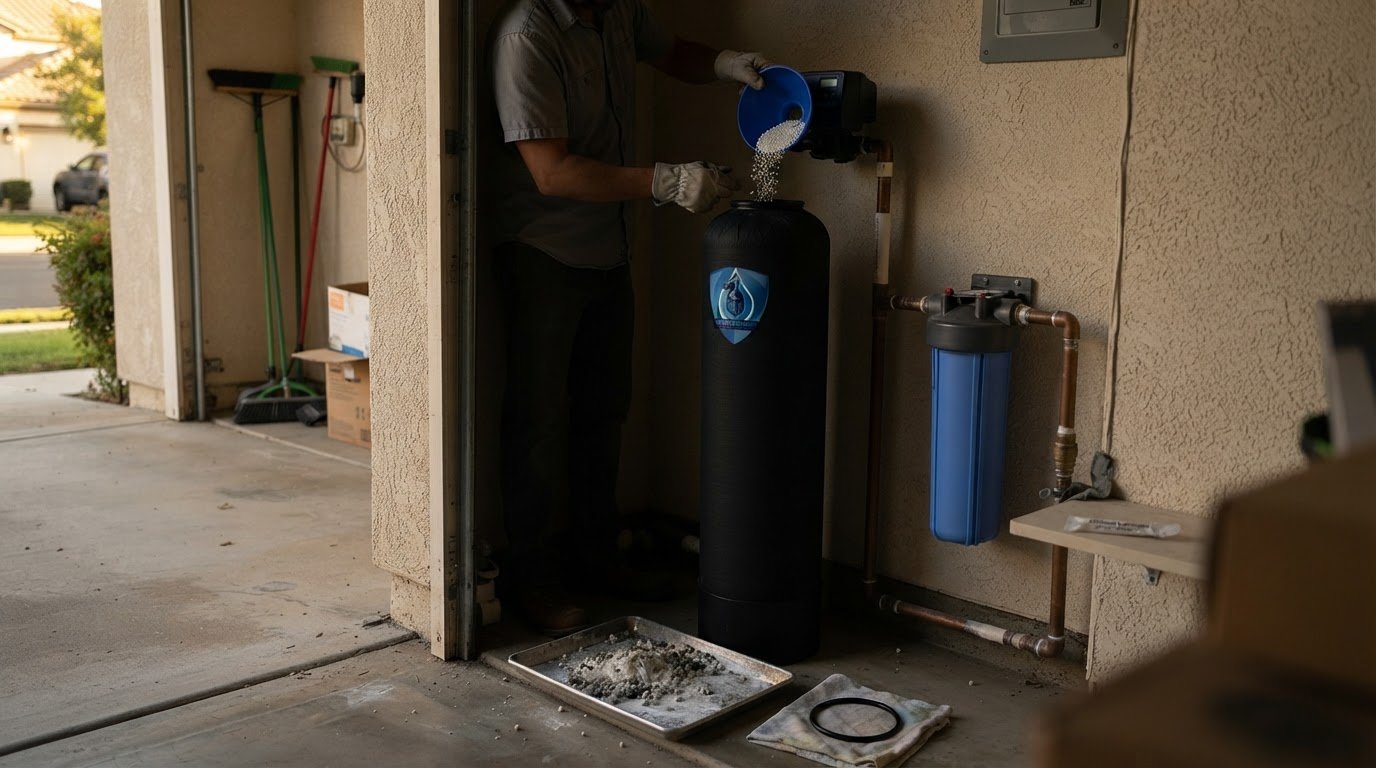

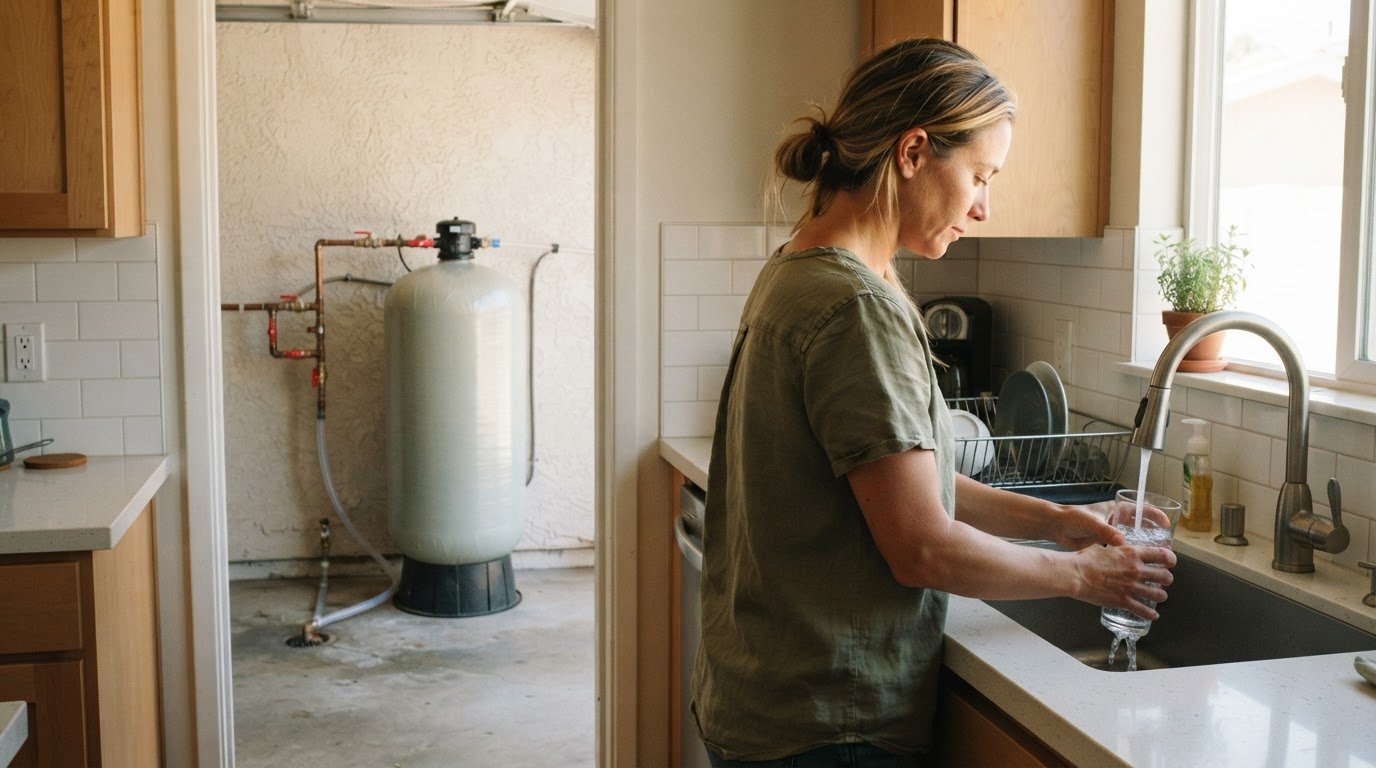
A carbon filter can reduce chlorine and chloramines that affect tap-water taste and odor, while reverse osmosis can also target these compounds. To remove chlorine taste from water in Los Angeles, start by identifying whether the unusual taste is coming from the disinfectant or another source. Boiling water for at least 15 minutes can help chlorine escape, but it won’t remove other potential contaminants.
A noticeable change in your water can be unsettling, especially when you’re caring for your household. Los Angeles is expanding chloramine use across its water system. Chloramine can have a less noticeable taste and odor than chlorine while still helping protect water quality, which may explain why tap water seems unusual without a strong chlorine smell.
This guide explains why taste and odor vary, how carbon filtration and reverse osmosis compare, and when whole-house treatment may make sense. You’ll also learn what simple steps can help with chlorine and how to choose between improving drinking water at one tap and treating water throughout your home.
A mild disinfectant taste can occur in Los Angeles drinking water, but an overwhelming chlorine odor deserves attention. Possible causes include treatment changes, seasonal conditions near a water source, or plumbing inside the property.
Chlorine taste and odor come from disinfectant remaining in water after treatment, where it helps control pathogens as water travels through the distribution system. In spring, algae or bacterial blooms near a source may lead to increased chlorine use and a stronger smell. Some Los Angeles residents may notice a slight chlorine taste or odor, but LADWP says it should not be overwhelming.
LADWP samples and tests Los Angeles drinking water every day of the year, at about 300 locations around the city, for over 200 different constituents. Those measurements include contaminants, but taste alone doesn’t identify metals or other substances. Studies and routine testing assess water quality in ways your senses can’t. If a new odor is strong or persistent, especially after flushing household plumbing, report the change to your water provider.
Chlorine taste reduction means lowering the disinfectant’s sensory impact, not removing every possible contaminant. Boiling water for at least 15 minutes can let chlorine escape as gas. Alternatively, leave water in a large, open container for 24-48 hours; natural evaporation may take one to two days depending on temperature and ventilation. Keep in mind that uncovered water can be exposed to dust or fruit flies.
These approaches don’t remove every potential contaminant, including heavy metals, microplastics, and volatile organic compounds. Activated carbon can address chlorine taste, while reverse osmosis targets chemical compounds such as chlorine and chloramine. If you want to remove chlorine taste from water in Los Angeles, choose based on whether you want to treat drinking water at one tap or water throughout your home.
Activated carbon and reverse osmosis work differently to address chlorine taste. Carbon adsorbs chlorine as water passes through the filter media, reducing its taste and odor. Reverse osmosis pushes water through a membrane and can target chemical compounds, including chlorine and chloramine. Neither label alone determines the best fit; consider your specific taste concern and the system’s stated treatment claims.
Carbon filtration is a direct choice when the main goal is improving drinking water’s chlorine taste. The filter’s performance depends on its media and how water passes through it, so follow the product’s replacement guidance. A used or poorly maintained filter may not perform as intended. Carbon also doesn’t mean every contaminant is removed: chlorine reduction is a separate claim from reduction of metals or other chemicals.
To choose a water filter certified to reduce chlorine taste and odor, look for certification or performance data that specifically names that reduction. Don’t rely on broad phrases such as “purifies water”; the treatment claim should match your concern. Also compare replacement media and storage needs with how much water your household treats.
Do activated carbon pitchers remove chloramine, and how well? Some activated carbon filtration can reduce chloramine, but a pitcher’s performance depends on its media and whether its claim specifically covers chloramine. Choose a pitcher with chloramine-specific performance information rather than assuming that chlorine taste reduction means chloramine reduction too.
Reverse osmosis may suit households seeking a broader drinking-water treatment process, while carbon filtration focuses on taste and odor. To narrow your choice, identify whether chlorine or chloramine is the target, then compare the system’s stated reduction claims and ongoing filter needs. This keeps the decision focused on your water concern, not a general promise to remove chemicals.
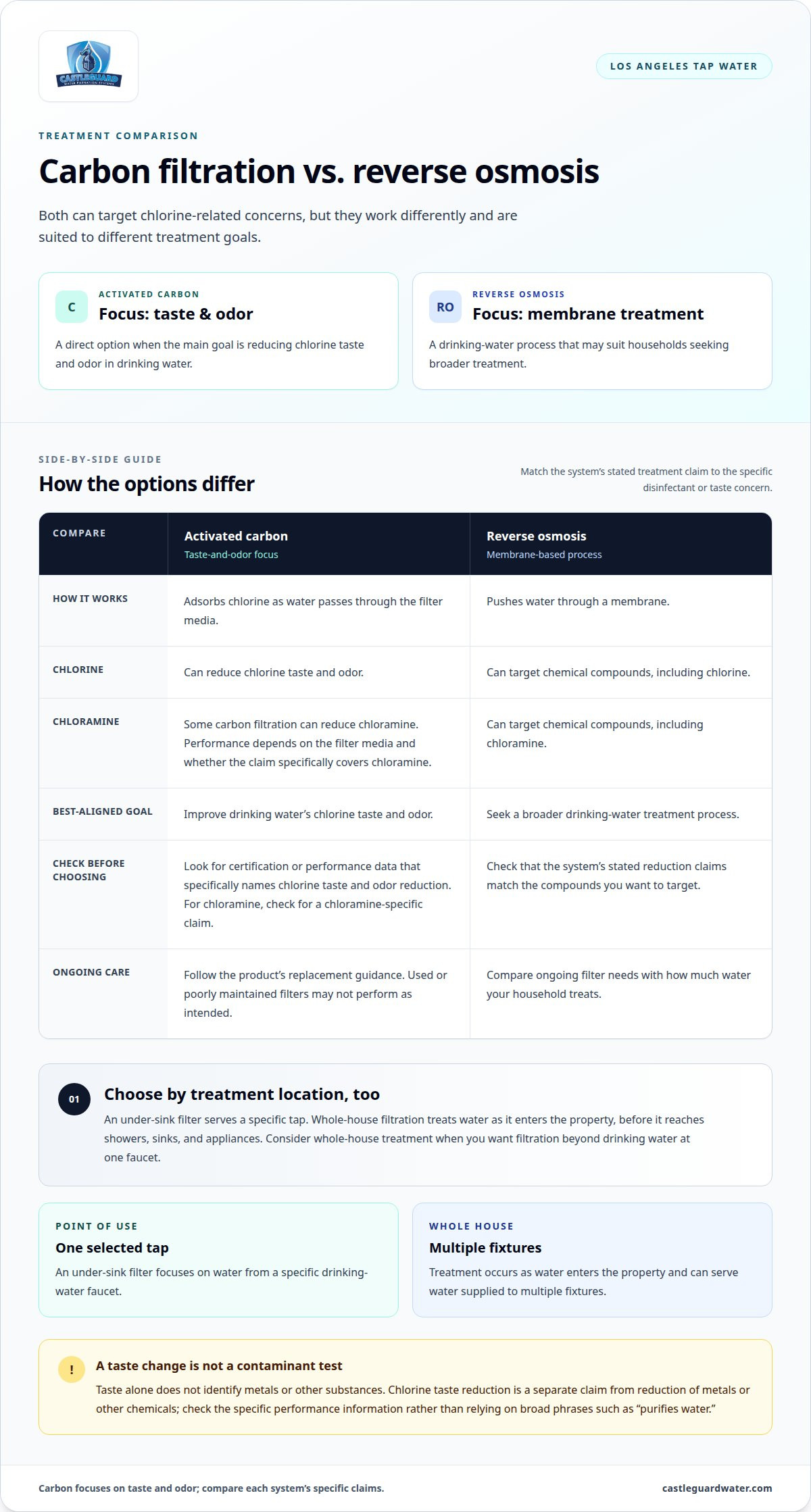
Whole-house filtration treats water as it enters a property, before it reaches showers, sinks, and appliances. An under-sink filter, by contrast, serves a specific tap. For Los Angeles households noticing disinfectant taste at several fixtures, a whole-house carbon filter may address chlorine and chloramine throughout the home.
Match the treatment to the disinfectant in your water. Carbon filtration can reduce chlorine and chloramine, but systems and filter media differ. Look for information identifying the specific disinfectant the system is designed to reduce. This matters if a utility changes its disinfection approach, because chlorine and chloramine are different treatment targets.
First, compare the taste at the front faucet with water from fixtures elsewhere on the property. If the front faucet smells much better, LADWP recommends flushing the property’s plumbing. This pattern suggests water sitting in household pipes may be a factor, rather than a uniform change at the source. Flushing is a practical first step before considering treatment throughout the home.
If the odor appears at multiple fixtures, note where it occurs, whether it affects cold water, and whether it changes after flushing. These observations can help distinguish a plumbing issue from a broader water-treatment concern. For example, a chlorine-like smell at both the kitchen sink and bathroom faucet suggests a different pattern from an odor limited to one tap.
Whole-house treatment is relevant when you want filtration beyond drinking water at one faucet. It treats water supplied to multiple fixtures, while a drinking-water filter focuses on a selected point of use. If household members are sensitive to chloramines and a treatment switch may be coming, contact the local drinking-water provider for information about the change. Matching the filter to the disinfectant and the areas you want treated makes the choice more practical.
Los Angeles is expanding chloramine use across its water system. LADWP says the change aims to improve taste and odor and comply with stricter water-quality regulations. Chloramine helps protect water as it moves through storage and distribution. It tends to have a less noticeable taste and smell than chlorine, so a strong chlorine-like odor doesn’t always reveal which disinfectant is present.
What chlorine and chloramine levels are typical in Los Angeles tap water? There isn’t one fixed level that describes every tap; the disinfectant used and its presence in the distribution system affect what reaches a home. LADWP’s expansion of chloramine use means residents may notice a different taste or odor as treatment changes across the system.
That change can raise questions, but taste alone can’t measure disinfectant levels or identify other compounds. Chlorine and chloramine help control bacteria as treated water travels. Sediment, plumbing conditions, and a fixture’s location can also affect what you notice. If water smells different at one faucet than another, compare the taps and note where the concern occurs.
People on dialysis and people with respiratory issues may be sensitive to chloramines. If this applies to someone in your household, discuss the concern with their care team and contact the local drinking-water provider about treatment changes. Aquarium owners also need to account for chloramine, which can harm fish and other aquatic animals. Use treatment designed for aquarium water before adding tap water.
For household filtration, match the system’s stated treatment target to the disinfectant in your water. A carbon filter designed for chlorine shouldn’t automatically be assumed to address chloramine. If you’re considering city-water treatment, explore the City System as a possible fit for your home’s filtration needs.
CastleGuard’s City System is an option for households considering treatment of municipal water. If chlorine or chloramine affects the taste throughout your home, first decide whether you want treatment at one drinking-water tap or across the property. That distinction helps you choose a solution suited to your household’s needs.
For a focused drinking-water need, consider a Drinking System. If your home uses a private well, explore Well Water Systems; Ultraviolet Systems address a different treatment need. Match the system category to your water source and treatment goal rather than assuming every filter handles every disinfectant.
Contact CastleGuard to discuss the City System, or visit castleguardwater.com.
Start by deciding whether your household prioritizes better-tasting drinking water or treatment for the home’s water supply. If you want to remove chlorine taste from water in Los Angeles, focus on your water source and the specific treatment you need. A clear goal makes it easier to compare options without expecting one system to address every concern.
CastleGuard offers a City System, Well Water Systems, and Ultraviolet Systems for different water-treatment needs. Consider which category fits your home and what you want to address. Explore the options and discuss your water-treatment needs directly with CastleGuard.
Contact CastleGuard about water treatment and take a considered next step toward water that suits your household. A thoughtful choice can help you feel more at ease about the water your family uses each day.
Water can taste or smell different because of disinfectant levels, seasonal source conditions, or plumbing within your home. An odor at one bathroom faucet but not the kitchen tap, for example, may point to a fixture or pipe issue. Compare cold water from several taps and note whether the change is widespread or localized. This pattern helps you describe the concern clearly when reporting it.
For many households, the concern is taste or odor, not a sign that disinfection has failed. Chlorine’s residual helps limit pathogen regrowth as water travels through storage and distribution. If you choose filtration, match its stated reduction claim to your goal, such as improving the taste of water for drinking or coffee. Don’t assume a chlorine-focused filter addresses unrelated water-quality concerns.
DIY methods can help with a narrow goal, such as making a glass of water taste less strongly of chlorine. They don’t provide the same controlled, ongoing treatment as a maintained filter, and they aren’t a general solution for every contaminant. Before relying on a home method, decide whether you want to treat one serving, drinking water at a tap, or water throughout your home.
Under the right conditions, boiling or allowing water to stand can help chlorine escape from a single batch. A properly maintained carbon pitcher offers a ready-to-use option. Use a clean container and follow the filter’s replacement directions. These approaches differ in convenience and coverage, so consider your household’s water use and whether taste is your only concern.
Los Angeles tap water may have a mild chlorine taste because chlorine is used for disinfection, and seasonal conditions near a water source can affect treatment. LADWP is also expanding chloramine use across its system, which can change the taste or odor people notice. If the smell becomes overwhelming or appears suddenly across several taps, report the change to the water provider.
Boiling can help chlorine escape from water, but it isn’t a reliable way to remove chloramine. The disinfectants behave differently, and taste alone won’t tell you which one is present. Boiling also doesn’t address every possible contaminant. For ongoing taste improvement, choose filtration based on its specific disinfectant-reduction claim rather than relying on boiling for all household water.