A single “safe” label can hide important differences between Miami-area water systems. For Miami Florida tap water quality in 2026, check the report for your utility: Miami-Dade’s Main System recorded PFOS at 33 ng/L in one sample during 2024 testing, while the U.S. Environmental Protection Agency sets the PFOS maximum contaminant level at 4 ng/L. Utilities have until 2029 to comply with PFOS and PFOA drinking-water limits, so the sample result belongs in that broader context.
It’s reasonable to want clear answers about the water your household drinks and uses every day. Annual water quality reports show what a specific system tested and reported, while hardness is a separate measure that affects how water behaves around the home. This guide explains how to read Miami-area utility reports, interpret available hardness information, and distinguish chloramine from free-chlorine treatment. With those details, you can decide whether additional household water treatment suits your needs.
Annual reports summarize drinking-water testing for a utility’s system. Read the report for the utility serving your address, since nearby communities may use different systems.
An annual water quality report describes a utility’s testing results and reported drinking-water conditions. Miami-Dade Water and Sewer Department lists reports for 2025, 2024, and 2023. Start with the latest report, then note its system name, reporting period, and any results that matter to your household. Miami’s MDWASA – MAIN SYSTEM serves 2,377,460 people, making the system identification especially important when comparing reports.
PFOS is one contaminant residents may look for in the results. Miami’s MDWASA – MAIN SYSTEM recorded 33 ng/L in one sample during 2024 testing. According to the U.S. Environmental Protection Agency, the PFOS federal maximum contaminant level shown for Florida is 4 ng/L. The reported sample result was described as eight times that limit, but a single sample should not be mistaken for a systemwide average. Read the sampling context and any follow-up information alongside the result.
A boil-water notice is a temporary instruction tied to a specific water-system event; an annual report summarizes testing over a reporting period. The report cannot tell you whether a notice applies to your address today. For a Miami-area notice or advisory, identify the issuing utility and affected area, then follow the notice’s instructions and updates. Treat current notices separately from historical report findings.
What steps can Miami residents take to filter tap water, and what do filters cost? First, use your utility report to identify the contaminant or water concern you want to address. Choose a filter designed for that target, and follow its replacement and maintenance directions. Costs vary with treatment type, capacity, installation needs, and replacement media, so compare ongoing upkeep as well as the initial system expense. A filter is not a substitute for following an active notice.
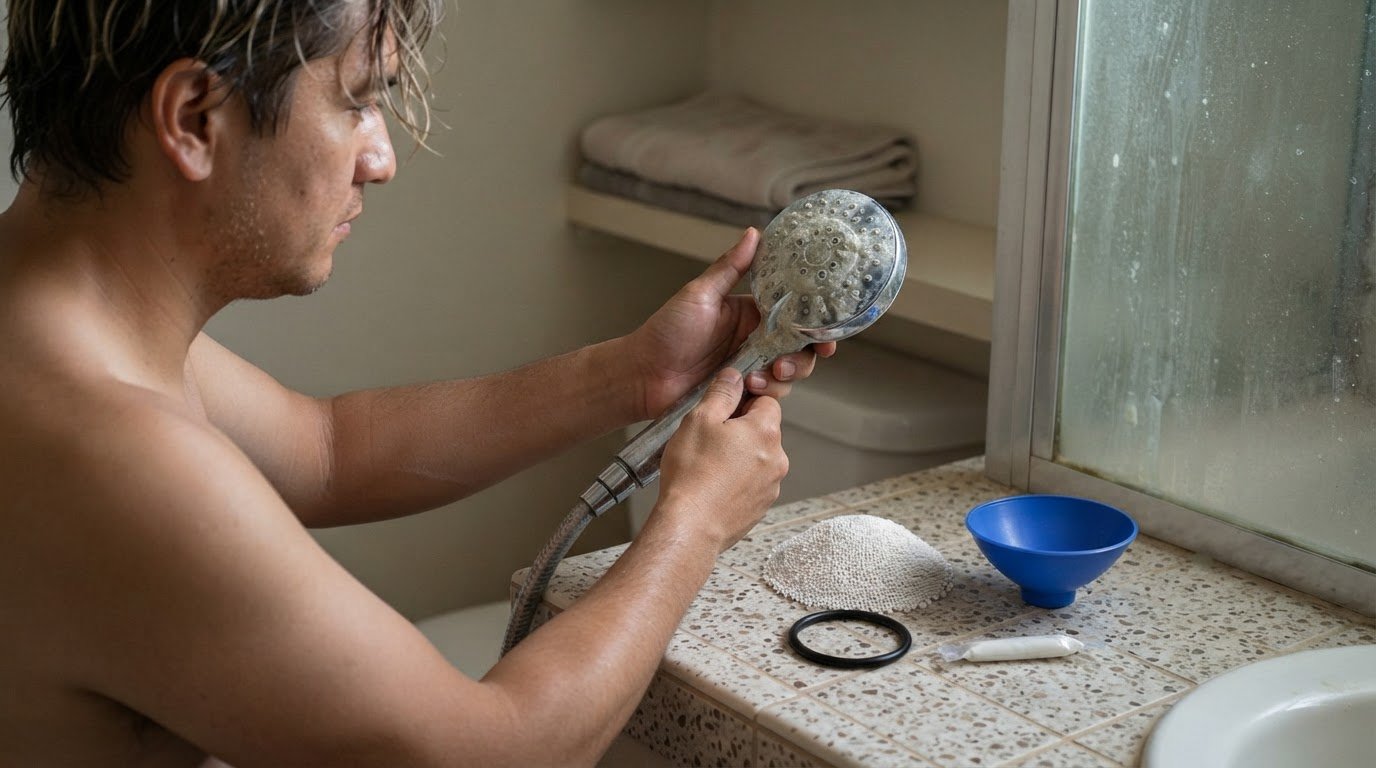
Water hardness measures dissolved minerals, mainly calcium and magnesium, commonly reported as calcium carbonate. Its level helps explain mineral scale on fixtures, spots on dishes, and how soap behaves. Compare figures from the utility serving your address, rather than assuming nearby cities share one result. Different water sources and utility systems can produce different readings.
Florida figures show why utility-level comparisons matter. Four cities had reported hardness values, and three had hard or very hard water above 120 mg/L as CaCO₃. Pinellas County had the highest reported Florida value at 12.7 grains per gallon. West Palm Beach tap water measured 18.5 grains per gallon in 2024 testing data. These figures describe named systems, not every Florida household.
Very hard water means hardness above 10.5 grains per gallon. That threshold helps interpret a result stated in grains per gallon, while the reported Florida city comparison also uses 120 mg/L as CaCO₃. Don’t compare those values as if they use the same unit. Read the unit beside every number, and use the utility’s own terminology when reviewing its data.
Hardness is mainly a household maintenance concern, not a complete measure of drinking-water safety. Mineral deposits can collect around faucets, shower fixtures, and appliances that heat water. If you notice recurring scale, first identify your utility and find its hardness figure. For a private well, a Well Water System may be relevant to broader well-water treatment needs, while hardness data helps clarify the specific concern.
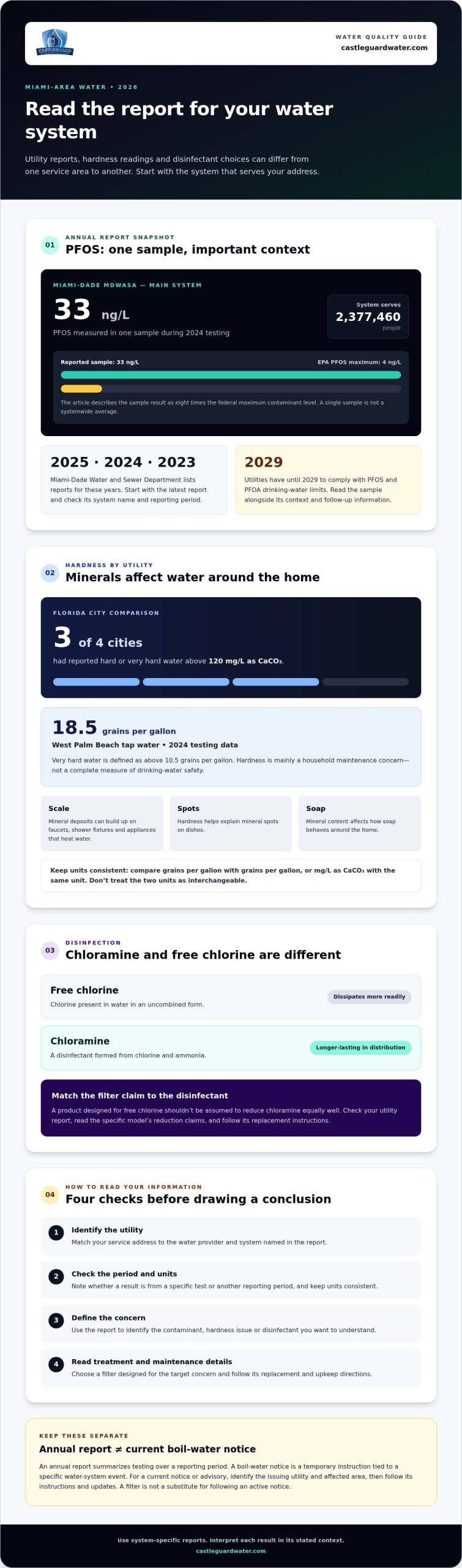
Free chlorine is chlorine present in water in an uncombined form; chloramine is a disinfectant formed from chlorine and ammonia. The terms describe different treatment approaches and are not interchangeable. A Miami-area utility’s annual water quality report can identify the disinfectant used. Check the report for your specific system rather than assuming nearby communities use the same method.
The distinction matters when you interpret taste, odor, or a filter’s stated purpose. Free chlorine can dissipate more readily, while chloramine is used as a longer-lasting disinfectant in distribution systems. A change in disinfectant can affect tap water’s smell or taste. Sensory differences alone do not identify a safety problem or reveal which treatment your utility uses.
For Miami Florida tap water quality in 2026, use the report and filter specifications together. Find the utility’s disinfection information first. Then identify the concern you want to address, such as chlorine taste or odor, and read the filter’s stated contaminant-reduction claims. A product designed for free chlorine shouldn’t be assumed to reduce chloramine equally well. Match the treatment claim to the disinfectant named in the report.
For example, if your report names chloramine and you’re concerned about its taste, choose a filter whose documentation specifically addresses chloramine reduction. If the report names free chlorine, compare the filter’s stated claims with that concern. This helps separate disinfection from hardness and other water-quality questions. A household filter can address selected concerns, but it does not replace utility treatment or instructions during an active advisory.
A boil-water notice is a temporary public instruction issued when a water system requires protective steps. A water quality advisory alerts customers to a specific concern and explains what action to take. Neither is the same as an annual report, which records testing over a reporting period rather than current, address-specific alerts.
For Miami residents, whether an advisory applies depends on the utility and affected area named in its current notice. Miami-Dade Water and Sewer Department reports can explain routine water testing, but a past report cannot establish whether a notice is active today. Compare the notice’s issue date, affected boundaries, and latest update with your service address. A notice for one area does not automatically apply across Miami-Dade.
Follow the exact instructions in an active notice. A boil-water notice and a quality advisory may call for different precautions, so don’t assume boiling addresses every concern. Read the notice’s guidance for drinking, cooking, and other household uses. If the affected boundary or instructions are unclear, consult the issuing utility’s current notice information for your address.
A household filter is not a substitute for following a public notice. Treatment systems address particular water concerns, while the utility’s notice defines temporary protective steps. If you use a private well and have a separate, ongoing water-quality concern, explore private-well water treatment options as a distinct next step. Keep municipal alerts and well-water treatment decisions separate.
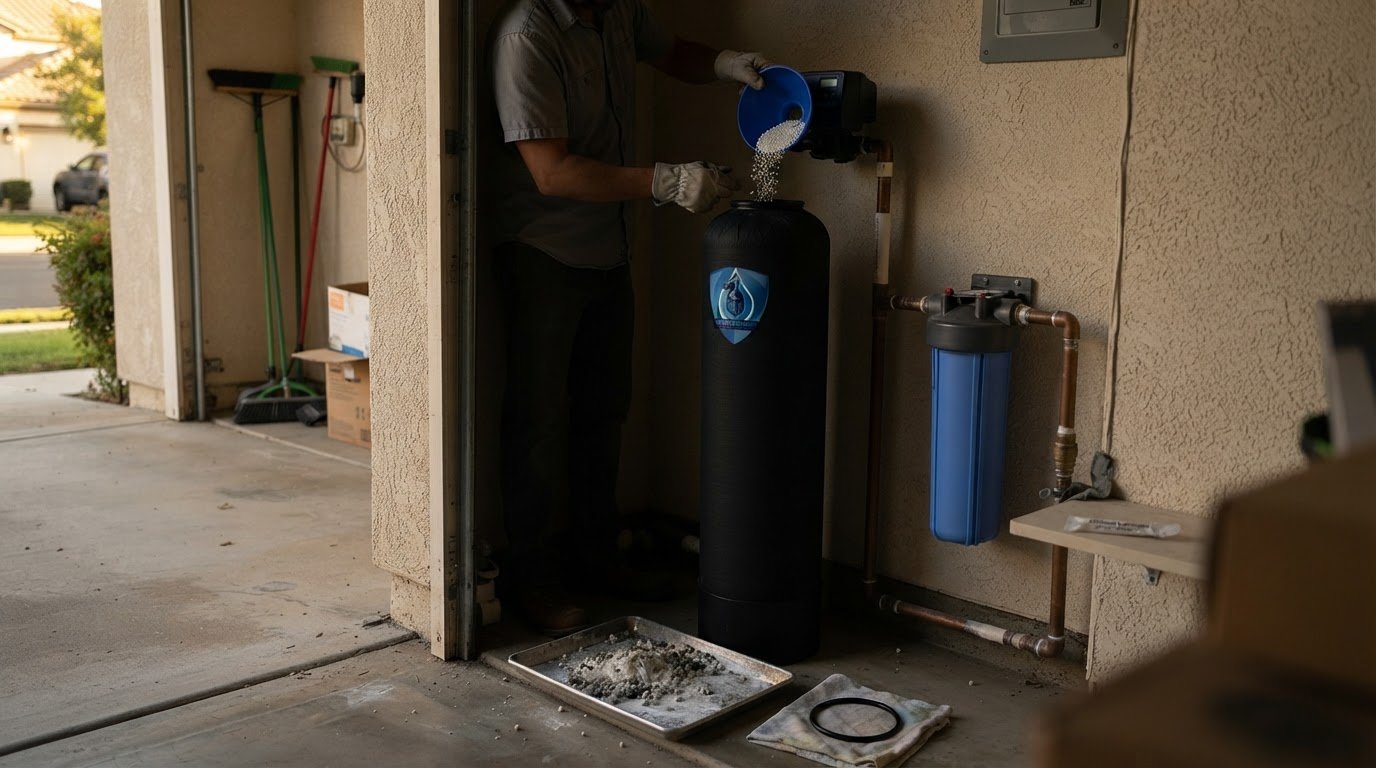
CastleGuard’s City System offers a whole-home treatment option for households using municipal water. Start with your utility’s report to identify the concern, such as taste or odor, then consider whether whole-home treatment or drinking-water treatment better fits your needs.
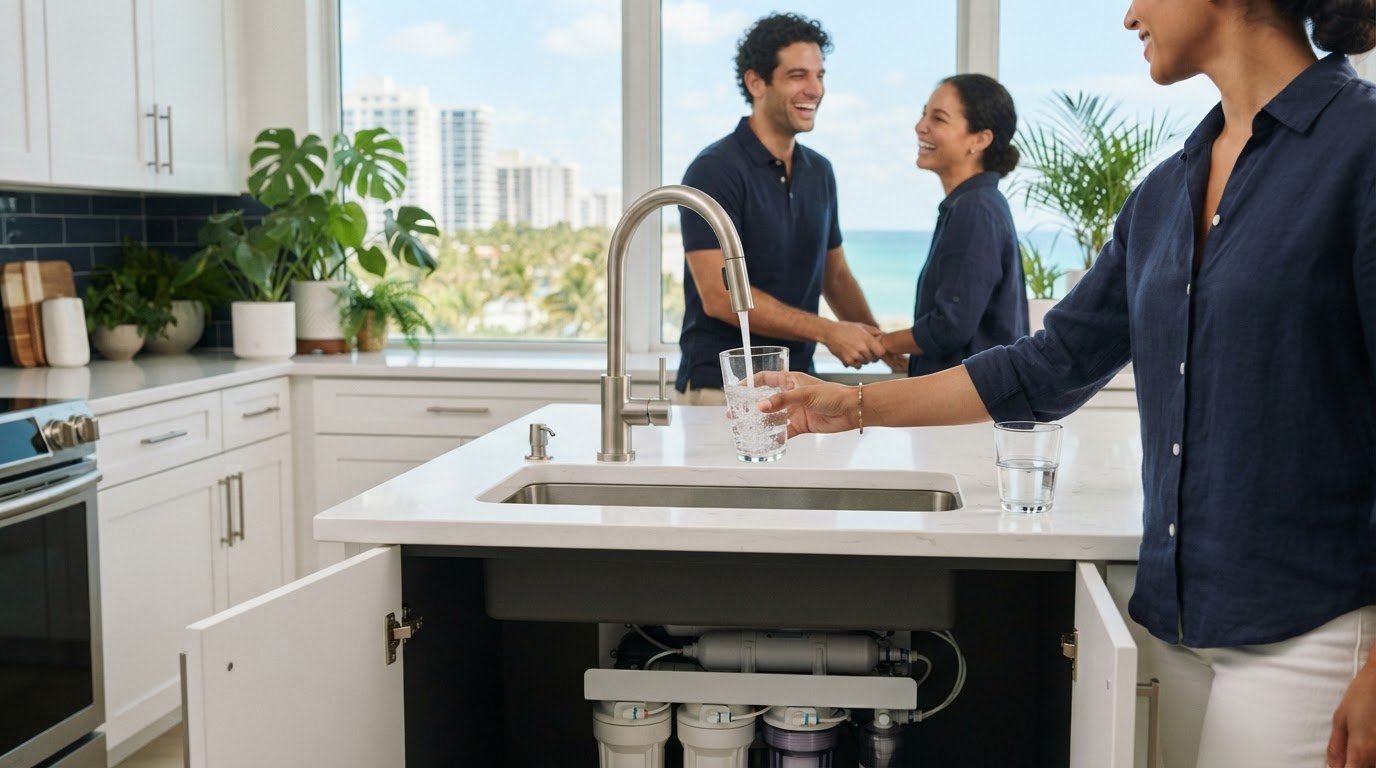
A City System suits households seeking a whole-home approach for city water. For treatment focused on drinking water, CastleGuard’s Drinking Systems offer another option. The right choice depends on the concern you’re addressing and the treatment approach you prefer. A home system complements utility notices, but does not replace their instructions.
If you’re ready to explore a water-treatment option for your home, contact CastleGuard or visit castleguardwater.com.
Understanding Miami Florida tap water quality in 2026 is most useful when it helps you make a clear household decision. Start with your water source and the concern you want to address, then match those needs with an appropriate treatment option. Municipal water and private-well water can call for different approaches, while a drinking-water system or ultraviolet system may suit a different goal.
CastleGuard offers City System, Well Water Systems, and Ultraviolet Systems. These options provide a starting point for matching treatment to your water source and household priorities. Rather than adding equipment without a clear reason, identify the concern first and choose a suitable next step.
Contact CastleGuard for water help to explore an option for your home. Clear information can make the decision feel simpler, and you can move forward with greater confidence.
Florida tap water is treated and monitored, but the useful answer depends on your utility’s current results and any active notices. To assess your household water, identify your provider, read its latest report, and review the results, monitoring locations, and advisories. A statewide statement cannot describe every system equally. Taste, odor, hardness, and contaminant results are distinct measures, so consider them separately.
Miami-area 2024 testing data includes PFOS findings that vary by system. Miami’s Main System recorded 33 ng/L in one sample, Miami Beach distribution reported 38 ppt, and North Miami recorded 45 ng/L. Those are separate reported results, not a single regional average. Compare each figure with its unit, sampling context, and the relevant drinking-water limit before drawing conclusions about a particular household.
Compare utilities by the same measures, such as PFAS results, disinfection method, hardness, and sampling period, rather than relying on one overall ranking. Available examples show why: the Main System had a PFOS sample result of 33 ng/L, while North Miami reported 45 ng/L. Hollywood’s 2024 TTHM peak was 111.6 ppb at one site, while its systemwide annual average was 45.7 ppb.
PFAS results deserve attention, but a reported sample is not the same as a household-wide measurement. The U.S. Environmental Protection Agency’s PFOS maximum contaminant level is 4 ng/L; Miami’s Main System recorded 33 ng/L in one 2024 sample. Utilities have until 2029 to comply with PFOS and PFOA drinking-water limits. Use your utility’s report to understand results and ongoing compliance information.
South Florida’s water source depends on the utility serving each community, so there isn’t one source for every tap. Start with the utility’s supply report, which identifies the system and its source water. The Floridan Aquifer lies roughly 800 to 2,000 feet below the surface, but that regional aquifer fact alone doesn’t establish which source supplies a specific city or address.
Miami-Dade Water and Sewer Department’s Main System serves the area and reports on its drinking-water supply and quality. Treatment details, including the disinfectant used, are system-specific; consult the report for the relevant system. Miami-Dade WASD discontinued fluoride addition on June 6, 2025. Afterward, Main System water was reported to contain natural background fluoride from 0.1 to 0.3 parts per million.