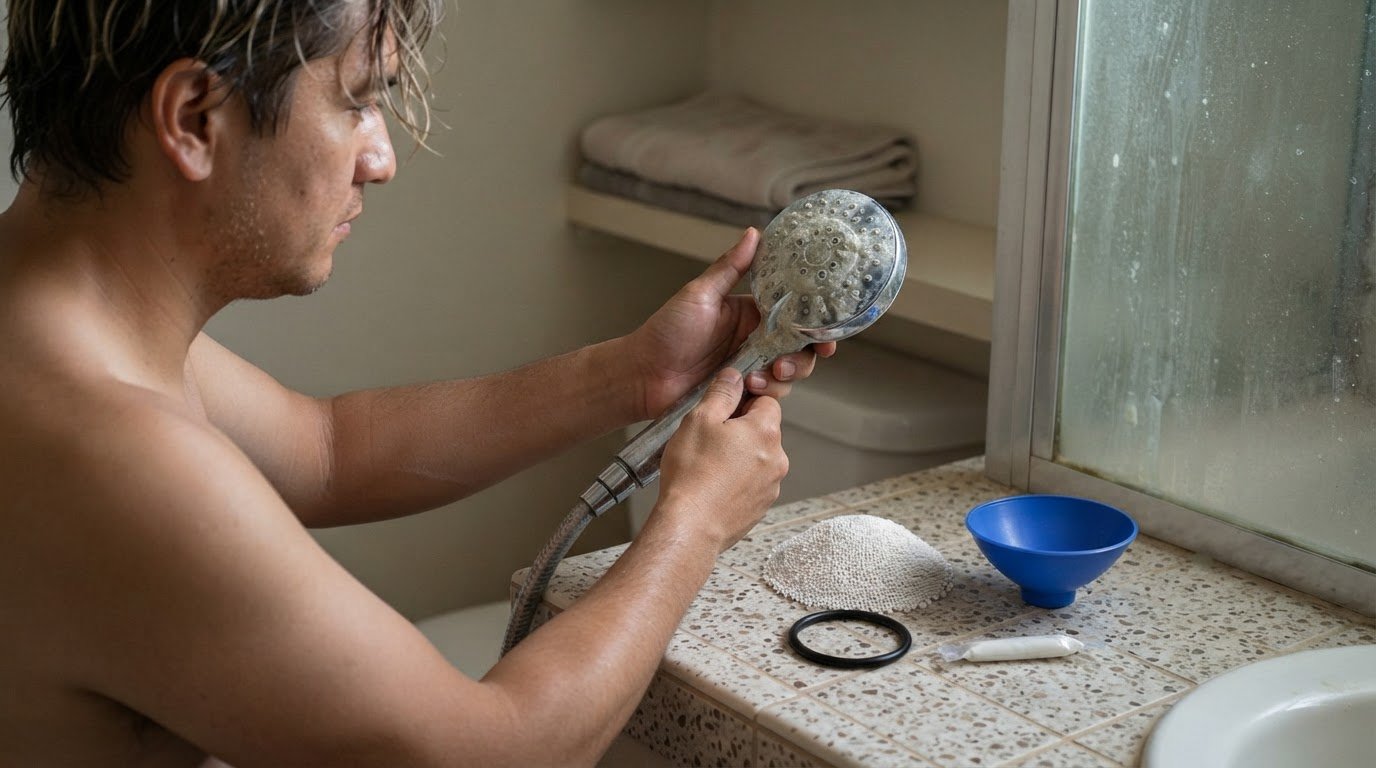
According to the U.S. Geological Survey, roughly one in five private wells contains at least one contaminant exceeding health benchmarks. When your family depends entirely on private groundwater, implementing dependable water purification for rural homes is more than routine property maintenance; it is an essential safeguard for your household. You already know the everyday frustrations of country plumbing, from stubborn rust stains and heavy scale buildup to persistent sulfur odors at the tap. Worse still is the lingering worry over what you cannot see, such as coliform bacteria or agricultural runoff drifting into your aquifer.
At CastleGuard Water Systems, we believe protecting your family and home should never involve guesswork. In this guide, you’ll discover how to identify private well contaminants, evaluate multi-stage filtration technologies, and secure clean, safe water across your rural property without sacrificing home water pressure. Here is your clear testing roadmap to building a reliable whole-home defense that keeps every faucet pure.
Unlike city utilities governed by the EPA’s Safe Drinking Water Act, private residential wells lack mandated municipal testing or filtration. Every property owner serves as their own utility manager. That independence brings freedom, but it leaves your family vulnerable to shifting geological dynamics. Torrential seasonal rainfall and spring snowmelt wash surface pollutants deep underground, altering your water’s chemistry overnight. Because dangerous microbial organisms remain invisible and odorless, perfectly clear tap water can still threaten your health. Applying proven principles of water purification transforms erratic raw well supplies into consistently pure, safe drinking water.
Shallow aquifers near farming acreage regularly receive agricultural runoff containing elevated nitrates and chemical pesticides. Over decades, settling ground, temperature swings, and corrosion crack aging steel or PVC well casings, allowing dirty surface water to seep directly into the borehole. This pathway introduces coliform bacteria, E. coli, and hardy cysts like Giardia. These biological pathogens bypass basic screens, making multi-barrier water purification for rural homes essential for lasting household safety.
Beyond health hazards, rural aquifers carry dissolved minerals picked up during years of underground contact:
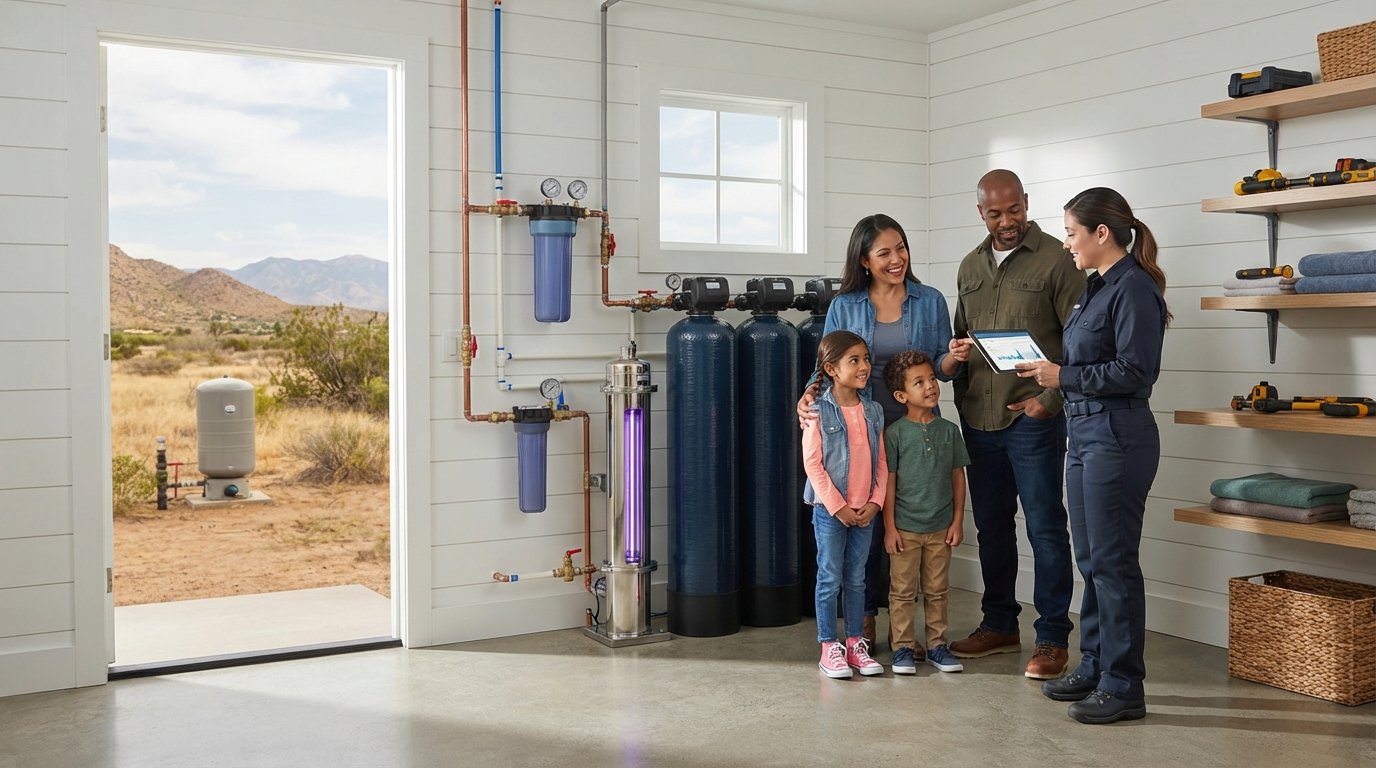
No single filter resolves every groundwater challenge. Securing dependable water purification for rural homes requires an integrated multi-barrier system. Each treatment stage targets specific impurities in a deliberate sequence, protecting the next unit downstream. According to USGS domestic supply well data, millions of families manage unregulated water supplies, making this structured defense vital for health and plumbing longevity. Our dedicated guide to well water treatment systems explains how these technologies interact across your entire property.
| Technology | Primary Contaminants Targeted | Operational Role |
|---|---|---|
| Sediment Pre-Filter | Sand, silt, rust flakes, suspended dirt | Protects valves, pipes, and downstream media |
| Catalytic Carbon | Pesticides, VOCs, odors, chemical traces | Adsorbs chemical runoff and clears tastes |
| Salt-Free Conditioner | Calcium and magnesium scale | Passivates hardness minerals without wastewater |
| Ultraviolet (UV) Chamber | Bacteria, viruses, living cysts | Provides chemical-free biological neutralization |
Coarse sediment cartridges trap abrasive silt and rust flecks as water enters your foundation. Removing physical grit keeps downstream valves clear and prevents premature wear on plumbing fixtures. Next, dense catalytic carbon media beds pull agricultural pesticides, chemical traces, and earthy odors straight out of the flow stream. This crucial mechanical step clears the line without starving household taps of steady water pressure.
Ultraviolet chambers offer an exceptional safety net against biological organisms. Emitting targeted germicidal light, UV systems scramble microbial DNA to neutralize bacteria, viruses, and parasites without adding harsh chlorine. However, minerals and suspended silt can create optical shadowing that shields microbes from light rays. Placing UV equipment after your sediment, carbon, and conditioning stages ensures maximum clarity and dependable microbiological security for your family.
If you’re mapping out a comprehensive purification strategy, exploring hardware configurations from CastleGuard helps match the right multi-barrier sequence to your specific well conditions.
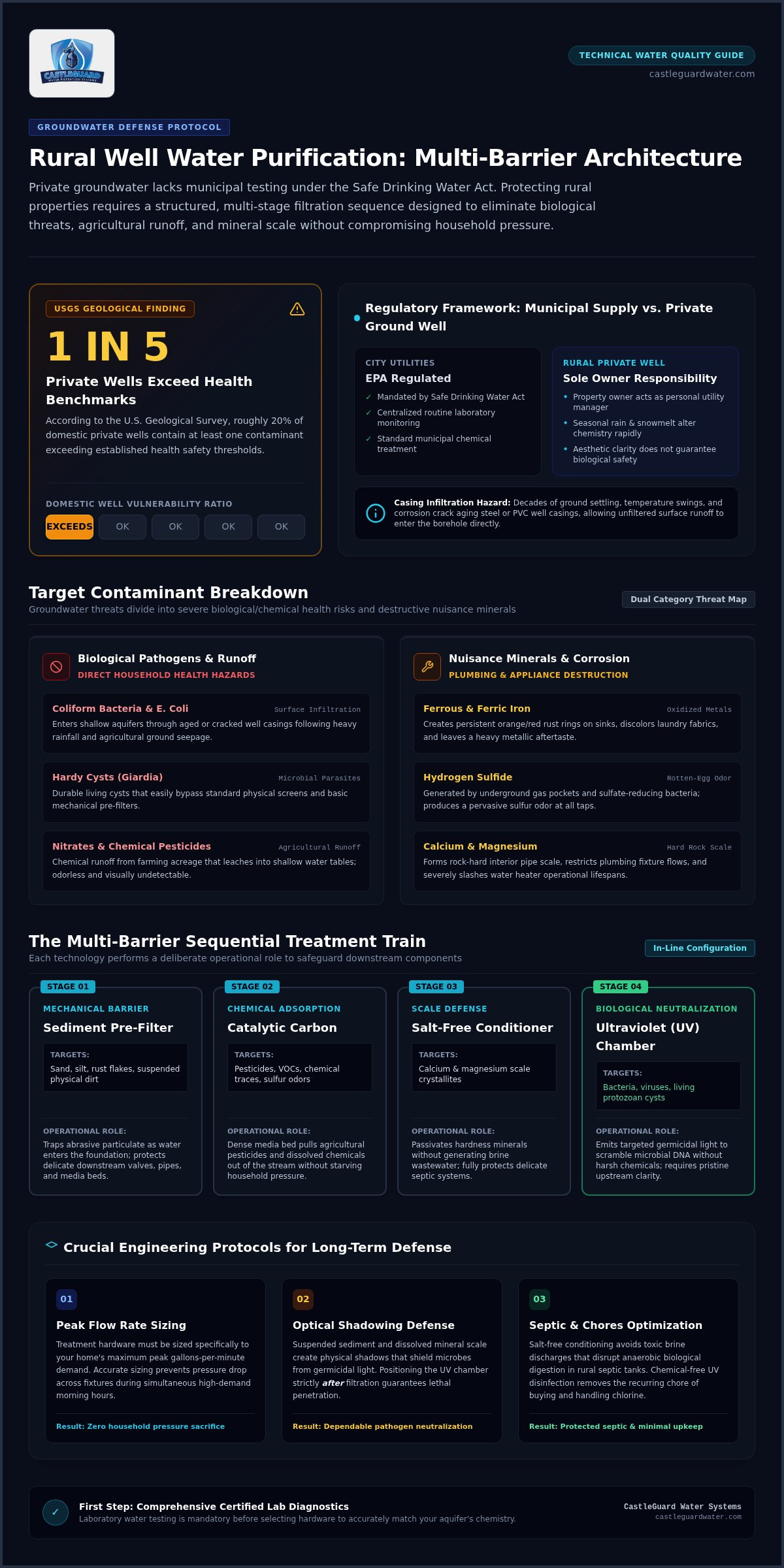
Installing treatment hardware without certified laboratory data is like taking medicine without a diagnosis. You shouldn’t gamble your family’s health on generic zip-code guesses when planning water purification for rural homes. A reliable setup always follows four chronological stages: certified lab diagnostics, flow rate measurement, physical system sizing, and plumbing layout design. As outlined in the EPA overview of drinking water treatment technologies, matching specialized media to confirmed chemical parameters is the only reliable way to guarantee complete water safety.
Draw your water sample directly from the well pressure tank drain valve before it reaches any existing hardware. Send samples to a state-certified environmental testing laboratory to analyze total coliform, nitrates, mineral hardness, pH, and heavy metals. Re-test your water annually, particularly following severe regional storms or seasonal flooding. Keeping a physical binder of historical test reports helps you track subtle aquifer shifts and maintain optimal filter efficiency over the years.
Hardware capacity depends entirely on household flow requirements. Calculate peak demand by tallying the fixtures likely to operate simultaneously during busy mornings, including showers, laundry, and kitchen sinks. Undersized filtration tanks restrict water pressure across upper floors and cause premature media exhaustion. Run a bucket test at your pressure tank to measure your well pump’s actual gallons per minute (GPM), ensuring your equipment provides adequate contact time without choking household delivery.
Ready to eliminate the guesswork from your water setup? CastleGuard’s weekday support specialists are ready to help you analyze your lab reports; find your ideal CastleGuard system and safeguard your home today.
Managing remote plumbing requires balancing thorough purification with practical, low-maintenance design. In off-grid or rural locations, you can’t rely on simple utility service calls. You need durable hardware that stands up to heavy mineralization without exhausting your septic system. Pairing whole-house treatment with dedicated drinking water systems ensures high-purity hydration while safeguarding your major appliances. When you choose hardware designed for longevity, water purification for rural homes becomes a straightforward, predictable part of your property care routine.
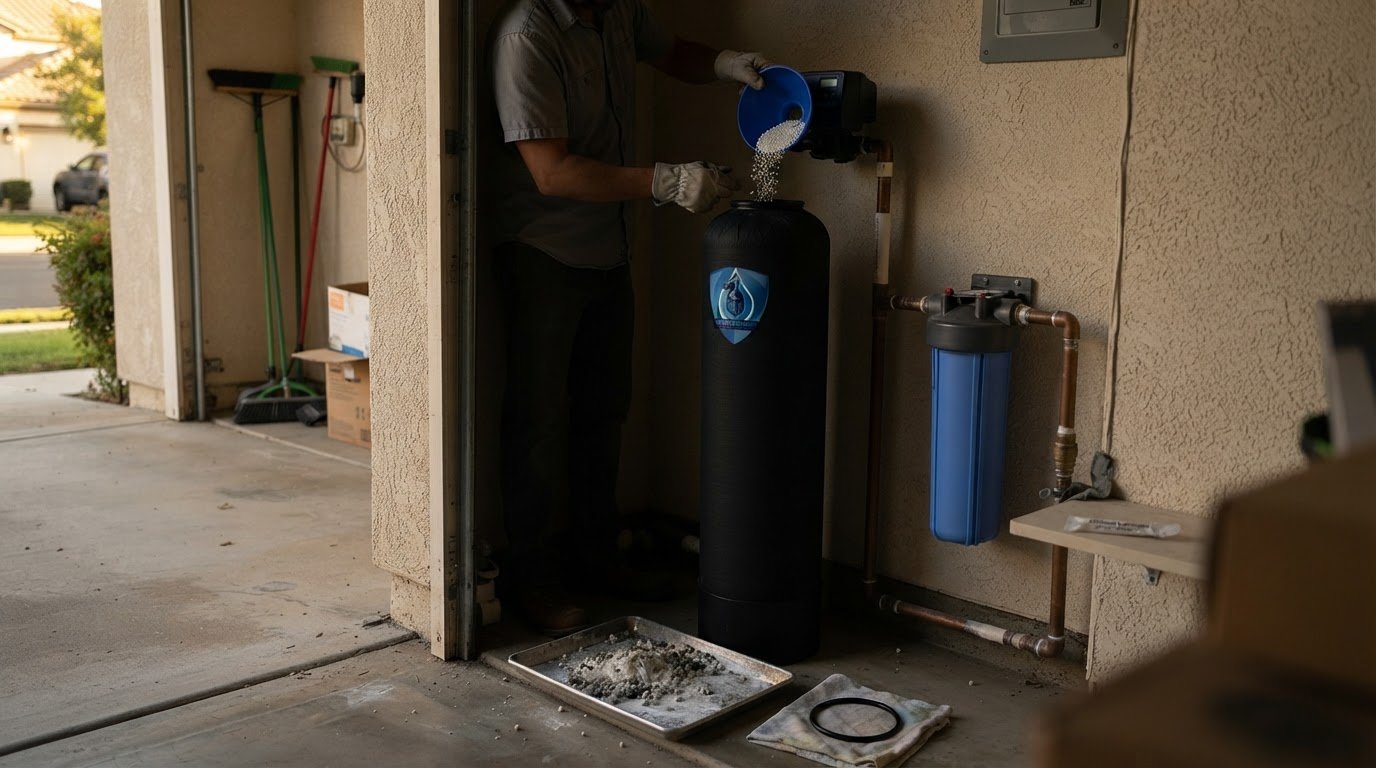
Traditional ion-exchange softeners regularly discharge gallons of concentrated brine down the drain, disrupting the delicate bacterial ecosystem inside your septic tank and drain field. Salt-free systems eliminate this risk entirely. Review our detailed guide on the best water softener for well water to see how physical media neutralizes calcium and magnesium. This process prevents destructive scale accumulation inside tankless water heaters and copper pipes without requiring you to haul 40-pound salt bags down remote country roads.
Achieving total peace of mind means installing equipment engineered specifically for the harsh realities of private groundwater. Our specialized configurations include:
Routine upkeep stays effortless with scheduled media delivery programs, ensuring fresh carbon cartridges and sediment filters arrive right when you need them. Discover dependable hardware for your property at CastleGuard Water Systems.
Taking charge of your household supply is one of the most rewarding aspects of country living. True water purification for rural homes doesn’t rely on guesswork or single-filter band-aids. Instead, it begins with certified laboratory testing and finishes with a carefully sequenced multi-barrier defense. Staging robust pre-filtration, catalytic carbon, salt-free scale prevention, and chemical-free ultraviolet disinfection ensures complete protection against bacteria, abrasive sediment, and stubborn minerals without compromising your septic system or water pressure.
You don’t have to tackle rural water diagnostics alone. With dependable equipment delivery, automated media replacement programs, and dedicated weekday support, you can maintain pristine water year-round. Take the next step to protect your family’s health with proven, whole-home CastleGuard Water Systems designed for rural living. Clean, refreshing water from every tap is well within your reach.
You need treatment if you notice orange rust stains, cloudy sediment, sulfur odors, or chalky white scale on plumbing fixtures. However, dangerous biological contaminants and agricultural chemicals are completely invisible. For homes across rural regions like Texas or Florida, relying solely on taste or smell is risky. A certified laboratory analysis provides the definitive proof you need to establish proper water purification for rural homes before plumbing damage or health issues arise.
No, ultraviolet systems strictly target living pathogens, such as coliform bacteria, viruses, and parasitic cysts. UV rays don’t remove dissolved heavy metals, nitrates, hardness minerals, or sediment. In fact, if minerals and grit aren’t removed upstream with sediment filters and conditioners, they cast shadows that protect bacteria from germicidal light. A UV unit works best as the final disinfection stage in a coordinated multi-barrier treatment train.
Yes, salt-free conditioners are completely safe for rural septic systems and drain fields. Traditional softeners discharge hundreds of gallons of harsh, sodium-rich brine that can kill beneficial septic bacteria and ruin soil drainage, especially in arid climates like Nevada and Arizona. Salt-free conditioning neutralizes scale-causing minerals physically without electricity, chemical additives, or corrosive wastewater, keeping your septic tank healthy and reducing regular plumbing maintenance.
You should test your private well at least once a year for coliform bacteria and nitrates. Schedule additional lab tests whenever you notice sudden changes in water color, clarity, or odor. In states prone to intense storms and seasonal flooding, like Florida or Texas, test right after heavy rainfall events. Surface runoff easily contaminates shallow wellheads, making frequent verification critical for safeguarding your household drinking supply.
Properly sized systems won’t noticeably reduce your household water pressure. Pressure drops only happen when homeowners install undersized filter housings that cannot match the well pump’s peak gallon-per-minute output. By tallying your morning fixture usage and selecting multi-stage water purification for rural homes rated for your household flow requirements, you maintain strong, consistent pressure in every shower while enjoying thoroughly purified water.